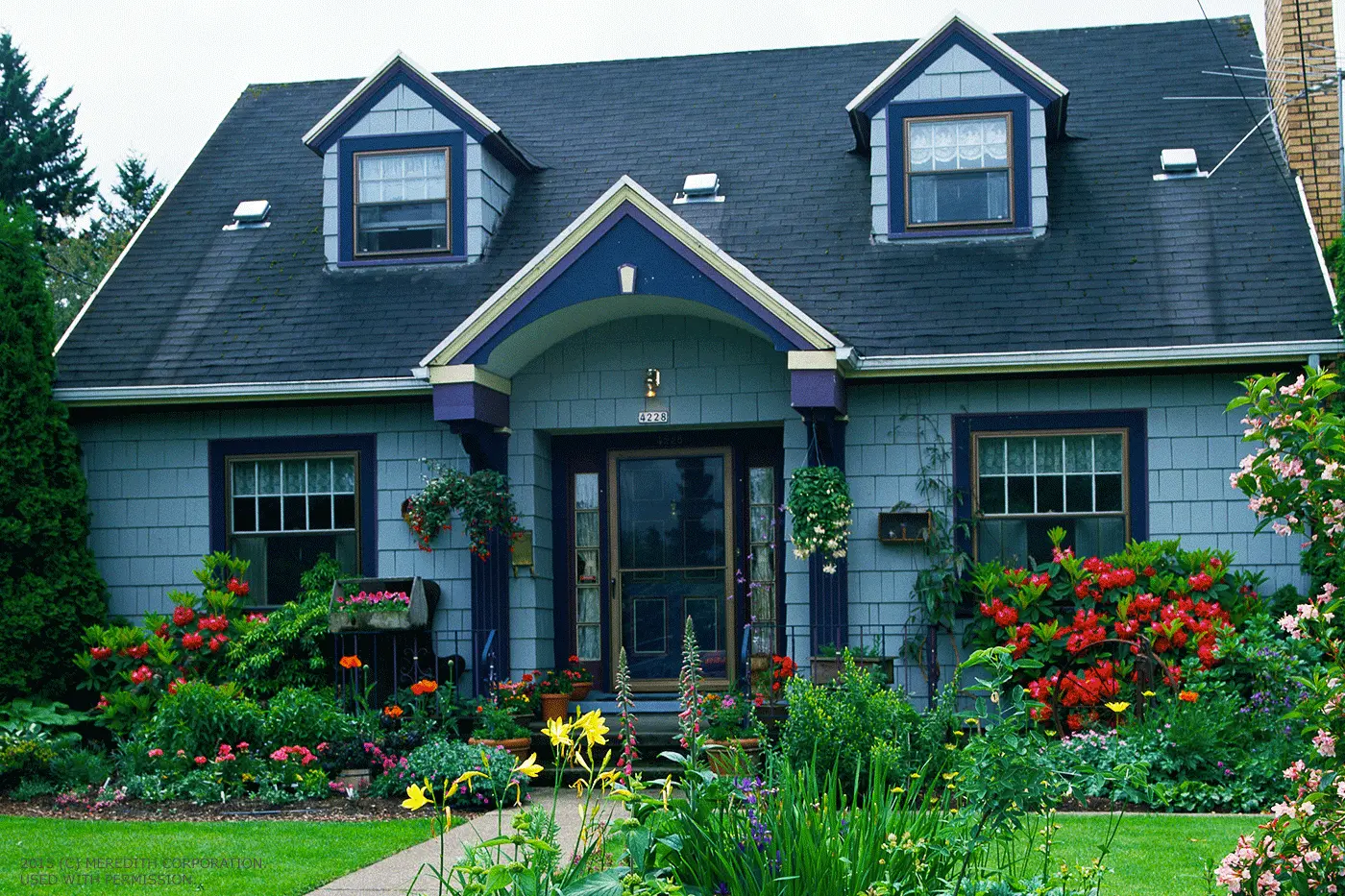
I still remember the first time I picked fresh cherry tomatoes from my front yard instead of my vegetable patch in the back. A neighbor walking by stopped, surprised, and asked, “Wait… you grow food here?” That moment perfectly sums up the magic of edible landscaping. It blends beauty and function so seamlessly that people often don’t realize they’re looking at a food-producing landscape.
As a small home garden enthusiast and someone who has spent years experimenting with limited spaces, I’ve seen firsthand how edible garden design can transform not just a yard, but daily life. This guide shares practical insights, personal experiences, and proven ideas to help you create a garden that looks great and feeds you well.
Content
Edible Landscaping: Transform Your Garden into a Productive and Beautiful Space
Most traditional landscaping focuses on appearance alone—lawns, ornamental shrubs, and decorative flowers that look nice but serve no practical purpose. Edible landscaping flips that idea by using edible plants for landscaping such as fruit trees, herbs, and vegetables as design elements.
Instead of separating “pretty plants” from “useful plants,” this approach combines both. Blueberry bushes replace hedges, rosemary lines pathways, and leafy greens fill garden beds once reserved for flowers. The result is a food-producing landscape that feels intentional, attractive, and deeply rewarding.
Health Benefits You Can See and Taste
One of the biggest reasons I embraced edible landscaping at home was health. When fresh food grows right outside your door, you naturally eat better.From my experience, here’s how it makes a difference:
Fresher produce: Harvesting minutes before eating means more nutrients and better flavor.
Healthier habits: When lettuce and herbs are easy to reach, home-cooked meals become the default.
Reduced chemical exposure: Many home gardeners choose organic practices, avoiding unnecessary sprays.
This is why many newcomers to growing food at home are surprised by how quickly it transforms daily routines—not through extra effort, but simply through convenience.
Building Community Through Food
Something surprising happened when I started growing food in my front yard: people began stopping to talk. Neighbors asked questions, children excitedly pointed at ripe strawberries, and passersby lingered to take a closer look. Gardens like this naturally encourage connection. Sharing extra herbs or explaining how to grow your own food often sparks conversations about sustainability and healthy eating. In small neighborhoods, these simple exchanges can strengthen community bonds and create a sense of shared purpose.
Reducing Food Miles and Environmental Impact
Most grocery store produce travels hundreds or even thousands of miles before reaching your plate. With edible landscaping, those food miles drop to zero.Growing food where you live:
Cuts transportation emissions
Reduces plastic packaging
Supports eco-friendly garden design
From an environmental standpoint, edible landscapes are a practical step toward sustainability—especially when combined with rainwater harvesting and composting.
Eating Seasonally Without Trying
Before I began growing food in my garden, I rarely paid attention to the seasons. Now, they naturally guide what I cook—tomatoes in summer, citrus in winter, and herbs almost all year round. Garden design tips often emphasize choosing plant varieties suited to your climate. This encourages seasonal eating without strict schedules. Over time, it helps you develop a deeper connection to local rhythms and a greater appreciation for food when it’s at its peak.
Greater Diversity on Your Plate
One often overlooked benefit of growing food at home is the variety it brings. Garden centers offer unique plants you rarely find in supermarkets—purple basil, lemon cucumbers, rainbow chard. By adding these to your garden, you naturally expand your diet. This variety supports better nutrition and keeps meals exciting, especially for families.
Supporting Pollinators and Wildlife
A thoughtfully planned edible landscape supports bees, butterflies, and beneficial insects. Flowering herbs, fruit trees, and vegetables provide nectar and shelter.In my own garden, once I replaced ornamentals with edible plants, pollinator activity noticeably increased. This balance improves yields and contributes to a healthier local ecosystem—one of the most rewarding aspects of sustainable landscaping.
Real-Life Case Study: A Small Yard, Big Results
A client of mine, Sara, lives in a suburban home with a modest front yard and strict HOA rules. She wanted something attractive but also useful.We focused on edible landscaping for front yards, choosing plants that looked ornamental:
Blueberry bushes as foundation plants
Swiss chard mixed with flowers
Dwarf citrus trees in decorative containers
Within just one year, Sara harvested enough fresh produce to significantly cut down her grocery trips. Neighbors frequently complimented her garden, often unaware that they were actually admiring vegetables. Her experience shows that even small or restrictive spaces can thrive with low-maintenance, well-planned plant choices.
Getting Started Without Feeling Overwhelmed
If you’re new to this approach, start small. Many people exploring how to start edible landscaping at home make the mistake of doing too much at once.
Begin with:
Herbs along walkways
Leafy greens in existing beds
Fruit trees where shrubs once stood
Edible Landscaping vs Traditional Landscaping
Traditional landscapes prioritize aesthetics alone. Edible landscaping vs traditional landscaping offers both beauty and productivity.
With edible landscapes:
Maintenance has purpose (harvesting instead of trimming)
Space works harder for you
The garden becomes part of daily life
Designing for Long-Term Success
Successful edible landscapes balance function with design. Some proven edible landscaping design tips include:
Group plants by water needs
Mix textures and colors for visual interest
Choose perennials to reduce yearly replanting
Planning ahead saves time and ensures your garden thrives year after year.
Why Edible Landscaping Is Worth It
Edible landscaping isn’t just about growing food. It’s about reconnecting with nature, improving health, and making better use of the space you already have. From personal experience, it brings daily joy—whether it’s picking fresh herbs for dinner or watching pollinators at work. When combined with elements of western home decor, such as rustic planters, wooden trellises, or farmhouse-inspired accents, your garden can seamlessly blend beauty and functionality.
With thoughtful planning, anyone can create a garden that’s beautiful, productive, and meaningful. If you’ve ever looked at your yard and wondered if it could do more, this approach might be the answer you’ve been looking for.
FAQs
What is an edible landscape?
A garden designed to be both attractive and produce food for your home.
How to do edible landscaping?
Plan your layout, choose climate-suited plants, and combine beauty with food production.
What is the meaning of edible garden?
A garden where fruits, vegetables, and herbs are grown for consumption while enhancing landscape beauty.
What are the elements of edible landscape?
Includes fruit trees, herbs, vegetables, perennials, pathways, and design features for both function and aesthetics.