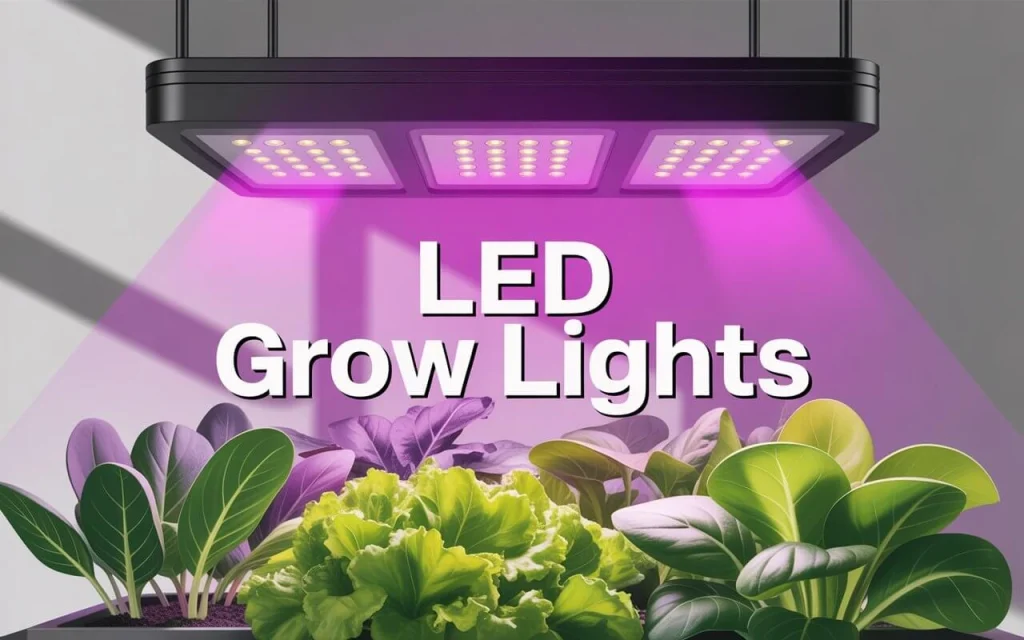
Save Electricity with Hydroponic lights. Plants need sunlight for four to six hours. They require twelve to fourteen hours of very big light per day. If you want to save your power and energy bills, you should put your home in hydroponic gardens. The led grow lights are the right source to provide the light. The garden should be designed near a bright window for direct sunlight. There is a huge variety of hydroponic lights in the market.
LED Light Emitting Diode
HPS or MH High-Intensity Discharge Lights
Induction Fluorescent
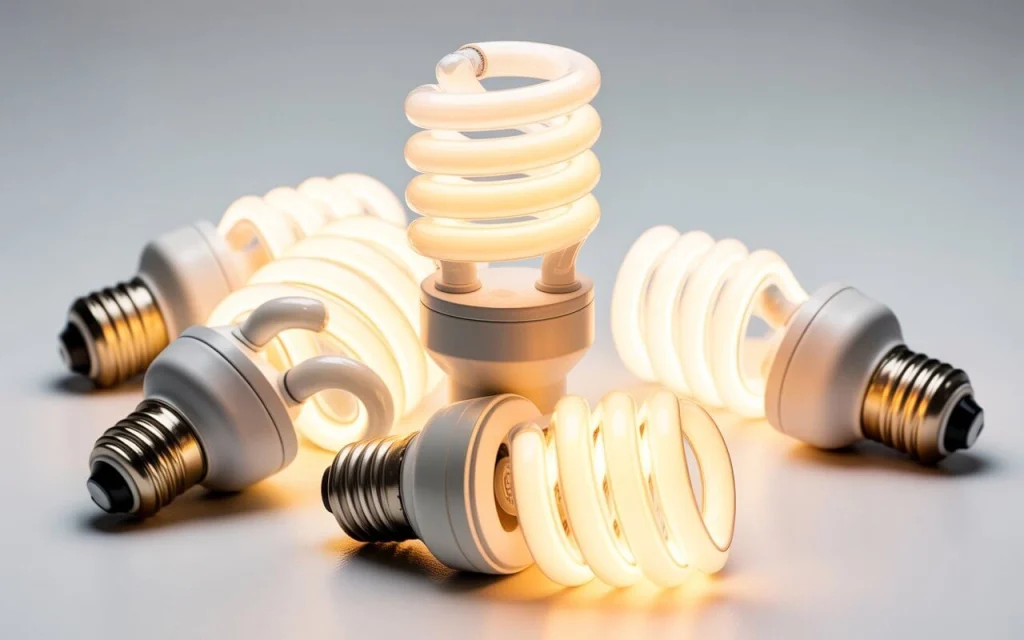
Compact Fluorescent
T5 Fluorescent
Content
Perks of Using LED Grow Lights for Healthier and Faster Plant Growth
Indoor gardening and hydroponic systems have transformed how plants are grown at home and commercially. At the center of this transformation are LED Grow Lights, a modern lighting solution designed to replicate sunlight while minimizing energy consumption. Whether you are growing vegetables, herbs, or ornamental plants, LED grow lighting plays a critical role in improving plant health, yield, and sustainability.
Understanding the Role of Light in Plant Growth
Plants depend on light for photosynthesis, the process that allows them to convert energy into growth. Most plants require 12 to 14 hours of consistent light per day, which can be difficult to achieve naturally, especially indoors or during shorter daylight seasons.LED Grow Lights provide a controlled and reliable light source that ensures plants receive the optimal spectrum and intensity required for healthy development. This consistency leads to stronger roots, greener leaves, and higher crop yields.
Energy Efficiency and Electricity Savings
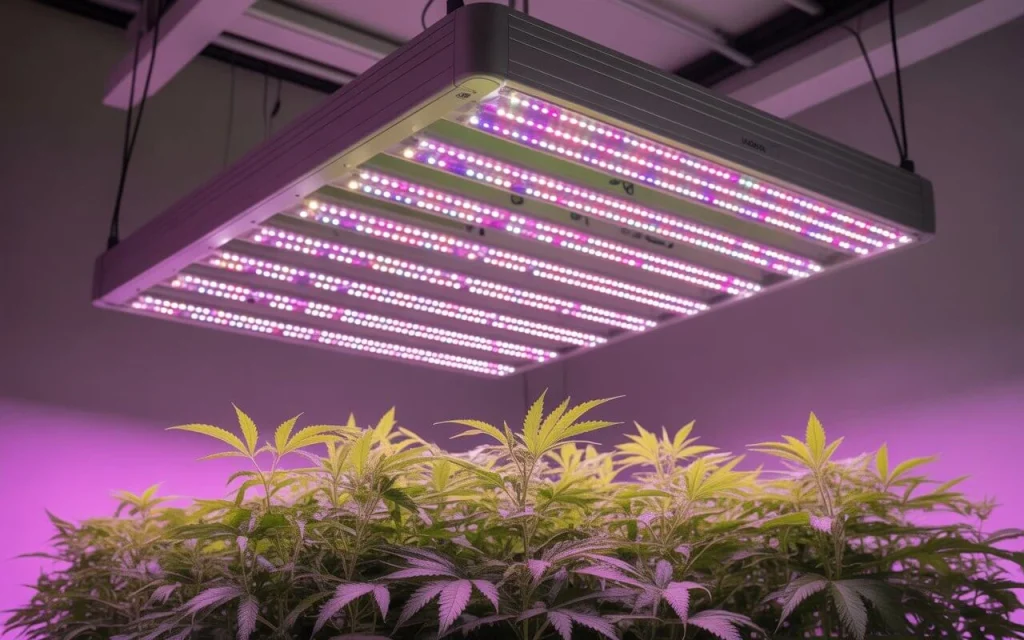
One of the biggest advantages of LED Grow Lights is their exceptional energy efficiency. Unlike traditional lighting systems, LEDs consume significantly less electricity while producing higher usable light output.
Key energy-saving benefits include:
Lower electricity consumption compared to HID and fluorescent lights
Reduced heat output, minimizing cooling costs
Long lifespan, often exceeding 50,000 hours
For hydroponic gardeners and indoor growers, this efficiency translates directly into reduced utility bills without compromising plant performance.
Ideal Lighting for Hydroponic Gardening
Hydroponic systems rely heavily on artificial lighting, making LED Grow Lights the ideal solution. These lights can be customized to deliver specific wavelengths of light that support different growth stages, from seed germination to flowering and fruiting.Placing your hydroponic setup near a bright window allows natural sunlight to complement LED lighting, further reducing energy usage while maintaining consistent growth conditions.
Types of Grow Lights Available in the Market
While LED Grow Lights are the most advanced option, several lighting types are commonly used in indoor gardening. Understanding these options helps highlight why LEDs outperform alternatives.
Light Emitting Diode (LED) Grow Lights
High efficiency and low energy use
Adjustable light spectrum
Minimal heat emission
Long operational life
High-Intensity Discharge (HPS or MH)
Strong light output
High electricity consumption
Excessive heat production
Induction Fluorescent Lights
Moderate efficiency
Limited spectrum customization
Compact Fluorescent Lights (CFL)
Affordable for small setups
Less effective for large grow areas
T5 Fluorescent Lights
Suitable for seedlings
Lower penetration for mature plants
Electricity Production and Its Impact on Sustainability
Electricity is not a primary energy source; it is produced by transforming natural resources. This process involves converting primary energy into usable electrical power and adjusting its voltage for safe transportation to homes and businesses.Since indoor gardening depends on electricity, choosing energy-efficient solutions like LED Grow Lights helps reduce the environmental impact associated with power generation and consumption.
Renewable Energy and Indoor Gardening
Renewable energy sources play an essential role in sustainable plant production. These sources are inexhaustible and environmentally friendly, making them ideal for powering grow lights.
Major renewable electricity sources include:
Solar photovoltaic energy
Wind power
Hydroelectric power
Biomass energy
Solar thermal systems
Non-Renewable Energy and Energy Awareness
Non-renewable energy sources such as coal, oil, natural gas, and nuclear power continue to dominate electricity production in many regions. While effective, these sources contribute to environmental pollution and rising energy costs.Using energy-efficient grow lighting like LED Grow Lights reduces dependency on non-renewable resources and helps offset environmental damage caused by traditional power generation.
Improving Plant Production with DIY Techniques
Plant productivity can be further enhanced by combining LED Grow Lights with simple do-it-yourself methods:
Adjust light height to prevent plant stress
Use reflective surfaces to maximize light distribution
Implement light timers for consistent exposure
Pair LEDs with proper nutrients and airflow
These small adjustments result in faster growth cycles, healthier plants, and increased harvest yields.
Heat Control and Safer Indoor Environments
Unlike older lighting systems, LED Grow Lights emit very little heat. This reduces the risk of plant damage and eliminates the need for expensive cooling systems. Lower heat output also makes LED lighting safer for home use, especially in small or enclosed spaces.
Long-Term Cost Benefits of LED Grow Lights
Although the initial cost of LED Grow Lights may be higher, their long lifespan and reduced power consumption make them more economical over time. Growers save money on electricity, bulb replacements, and cooling systems, making LEDs a smart long-term investment.
Final Thoughts
LED grow lights have revolutionized indoor gardening by offering efficient, customizable, and environmentally responsible lighting solutions. They promote healthier plant growth, lower electricity costs, and support sustainable energy practices. Whether you are a beginner or an experienced grower, investing in LED grow lighting delivers consistent results and higher yields, while complementary options like Outdoor Wall Lights enhance overall lighting efficiency and garden aesthetics, contributing to a greener future for modern cultivation.
FAQs
What is a LED grow light?
A LED grow light is a specialized light designed to deliver the correct spectrum for plant growth, photosynthesis, and indoor gardening.
Can any LED light work as a grow light?
No, regular LED bulbs lack the full light spectrum needed for plant growth; only LED grow lights are designed for plants.
How much does a 1200 watt LED grow light cost per month?
A 1200 watt LED grow light typically costs $20–$40 per month, depending on usage hours and local electricity rates.
What is the best LED light to grow with?
The best LED grow light is a full-spectrum model with high efficiency, low heat output, and adjustable intensity.
Todd is an avid home blogger, with the goal of helping his readers find inspiration and ideas for their next project. He writes about everything from small design projects to large renovations. His goal is to help people transform their homes into something that reflects who they are.