Thoughtful outdoor design goes far beyond planting a few trees or maintaining a lawn. Through years of hands-on work with small home gardens, I’ve seen how smart planning can completely reshape how a property looks, feels, and functions. Whether you’re working with a compact front yard or a modest backyard, residential landscaping can transform overlooked outdoor areas into comfortable, functional spaces that add real value to daily living.
This guide explores the process in a practical, experience-driven way—covering planning strategies, design ideas, plant selection, and real-world examples—to help you confidently create an outdoor space that suits your lifestyle and long-term needs.
Content
Understanding Residential Landscaping in Practical Terms
At its core, residential landscaping focuses on designing and maintaining outdoor spaces around homes. This includes lawns, gardens, pathways, patios, plant beds, and small decorative features. For homeowners, especially those with limited space, residential landscape design is about balance—making the yard visually appealing without creating something that’s expensive or difficult to maintain.
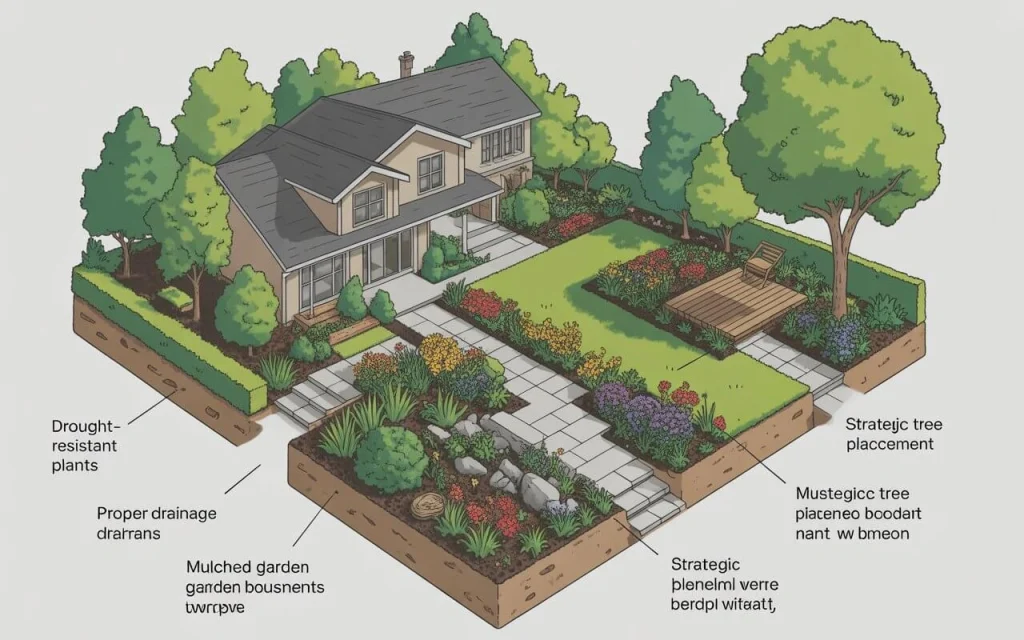
Many people assume landscaping is only about aesthetics. In reality, good outdoor landscaping for homes improves usability, supports healthy plant growth, and enhances comfort. Shade trees can lower summer temperatures, proper drainage prevents water issues, and smart layouts make even small yards feel spacious.
Planning Residential Landscaping the Right Way
One of the biggest mistakes I see homeowners make is skipping the planning phase. A solid plan saves time, money, and frustration later.
Start with your space and needs
Walk through your yard and note sunlight patterns, soil condition, slopes, and existing features. Ask yourself how you want to use the space. Do you want a relaxing garden, a play area, or low maintenance residential landscaping ideas that don’t require weekly attention?
Set a realistic budget
Cost-effective outdoor improvements are achievable when priorities are clear. Rather than overhauling the entire yard at once, it’s smarter to concentrate on high-impact areas such as the front yard or one well-defined seating space.
Think long term
Plants grow, materials, weather, and family needs change. Choosing durable materials and adaptable layouts helps your landscaping age gracefully.
Residential Landscaping Design Ideas That Actually Work
Good design doesn’t depend on yard size. Some of the best residential landscaping ideas for small yards focus on simplicity and flow.
Front yard landscaping
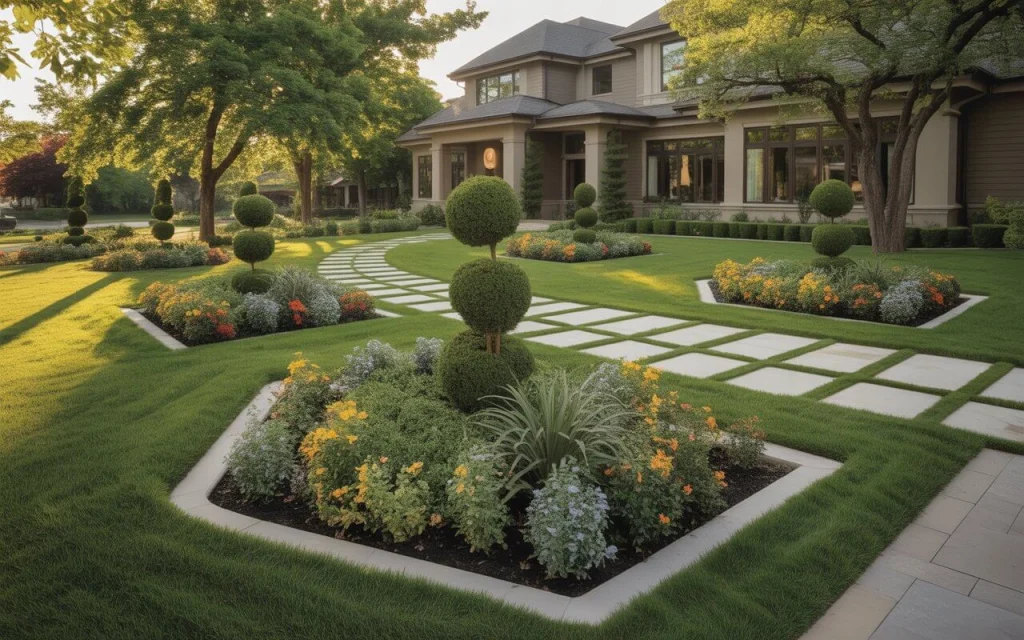
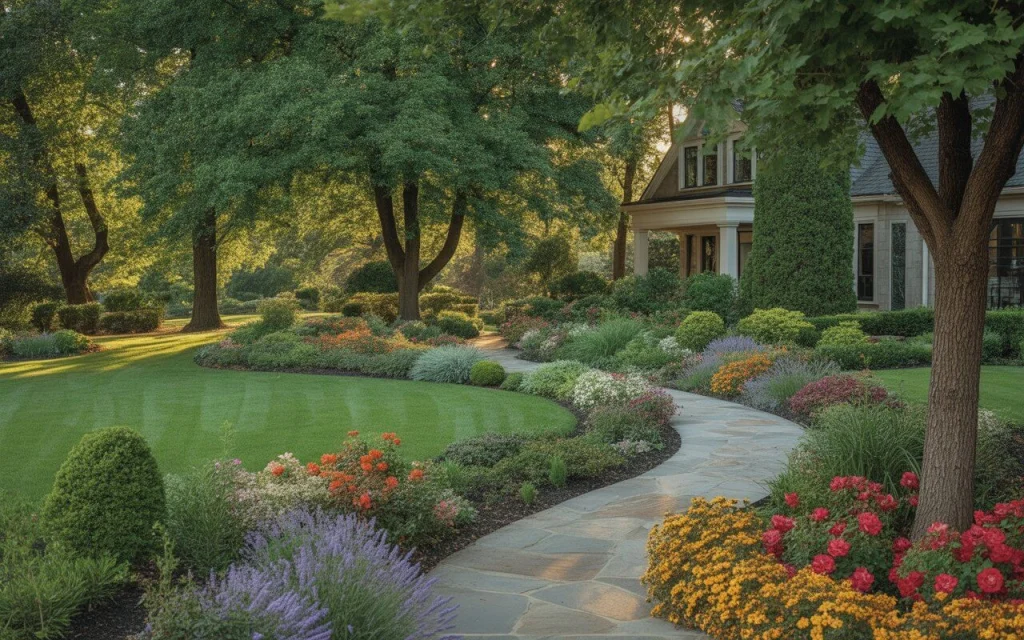
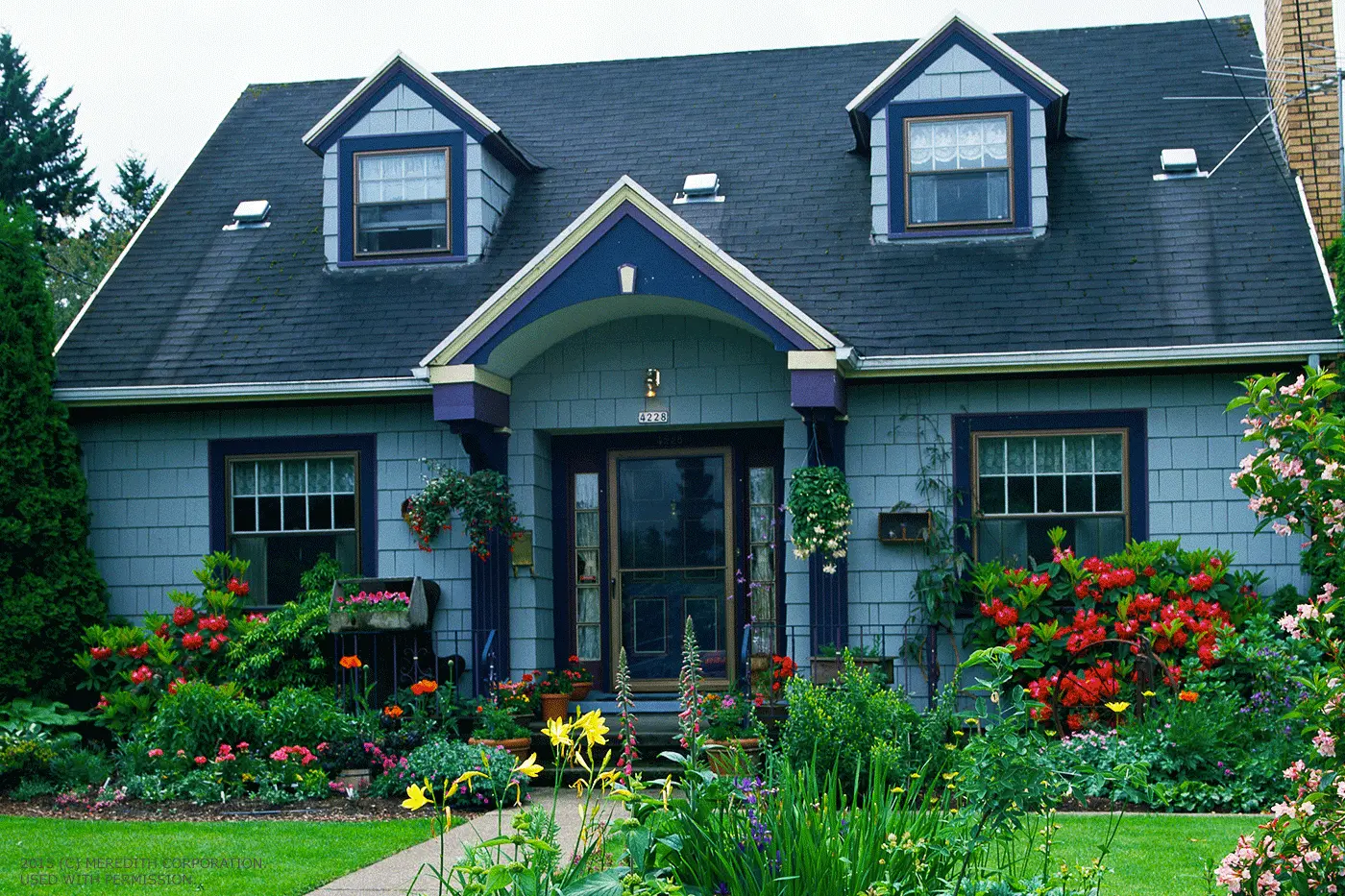
Front yards play a major role in shaping first impressions. Well-defined walkways, layered planting beds, and thoughtfully balanced greenery can instantly elevate how a home is perceived. Strong visual appeal is often achieved through symmetry, clean edges, and the use of seasonal plants that keep the outdoor space looking vibrant throughout the year.
Backyard landscaping
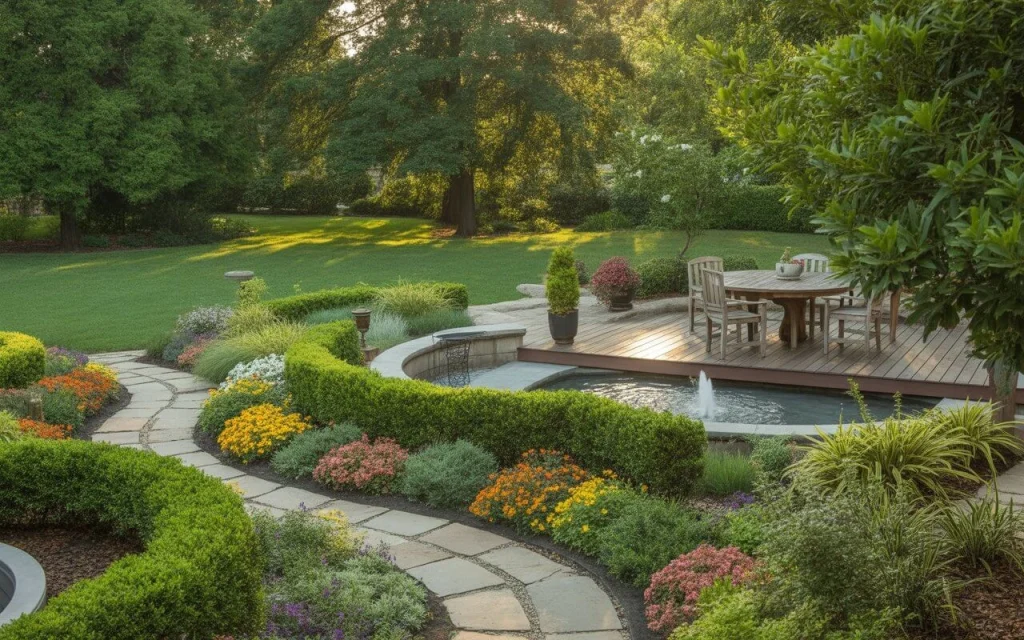
Backyard landscaping should reflect how you live. For some homeowners, that means a quiet garden retreat. For others, it’s an open space for gatherings. Creating zones—such as a seating area, a planting area, and open lawn—keeps the space organized and functional.
Vertical and multi-purpose elements
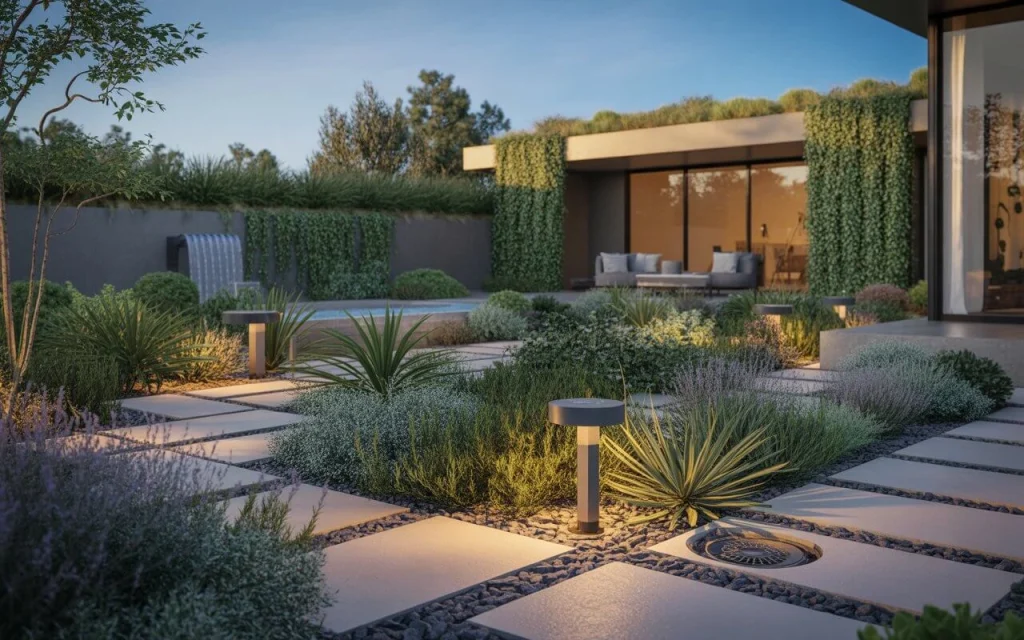
In small home gardens, vertical gardens, raised beds, and combined seating-planter features help maximize space without clutter.
Choosing Plants for Long-Lasting Results
Plant selection plays a major role in residential landscaping success. I’ve learned through experience that fewer, well-chosen plants usually outperform crowded gardens.
Match plants to conditions
Residential landscaping plants for all seasons thrive when they’re suited to local climate, soil, and sunlight. Native and climate-adapted plants require less watering and care.
Plan for growth
Small plants may look sparse at first, but they grow. Leaving enough space prevents overcrowding and constant pruning later.
Low maintenance options
For homeowners with limited time, choosing plants such as ornamental grasses, evergreen shrubs, and ground covers can minimize upkeep while keeping the yard attractive and vibrant.
How Thoughtful Outdoor Design Can Boost Your Home’s Value
Residential landscaping to increase home value isn’t just a trend—it’s supported by real buyer behavior. Homes with clean, attractive outdoor spaces often sell faster and leave stronger first impressions.
From my work with small residential projects, I’ve seen simple upgrades like defined walkways, healthy lawns, and structured plant beds make homes feel more “complete.” Even modest improvements can elevate how a property is perceived, especially when outdoor areas look intentional rather than neglected.
Sustainable and Smart Landscaping Choices
More homeowners are focusing on eco-friendly practices, and thoughtful outdoor design can achieve sustainability goals while still maintaining a stylish, inviting yard.
Mulching reduces water loss and improves soil health
Native plants support local ecosystems
Drip irrigation systems minimize water waste
Permeable pathways help with drainage
These choices often lead to lower maintenance costs over time while keeping gardens healthier.
Real-Life Case Study: Transforming a Small Home Garden
A few years ago, I worked with a homeowner who had a narrow backyard that felt unusable. The space was mostly grass, difficult to maintain, and rarely used. The goal was simple: create a functional, calming outdoor area without major construction.
The approach
We started with a residential landscaping layout and planning guide mindset—mapping sunlight, traffic flow, and existing trees. Instead of removing everything, we reused what worked.
Key changes
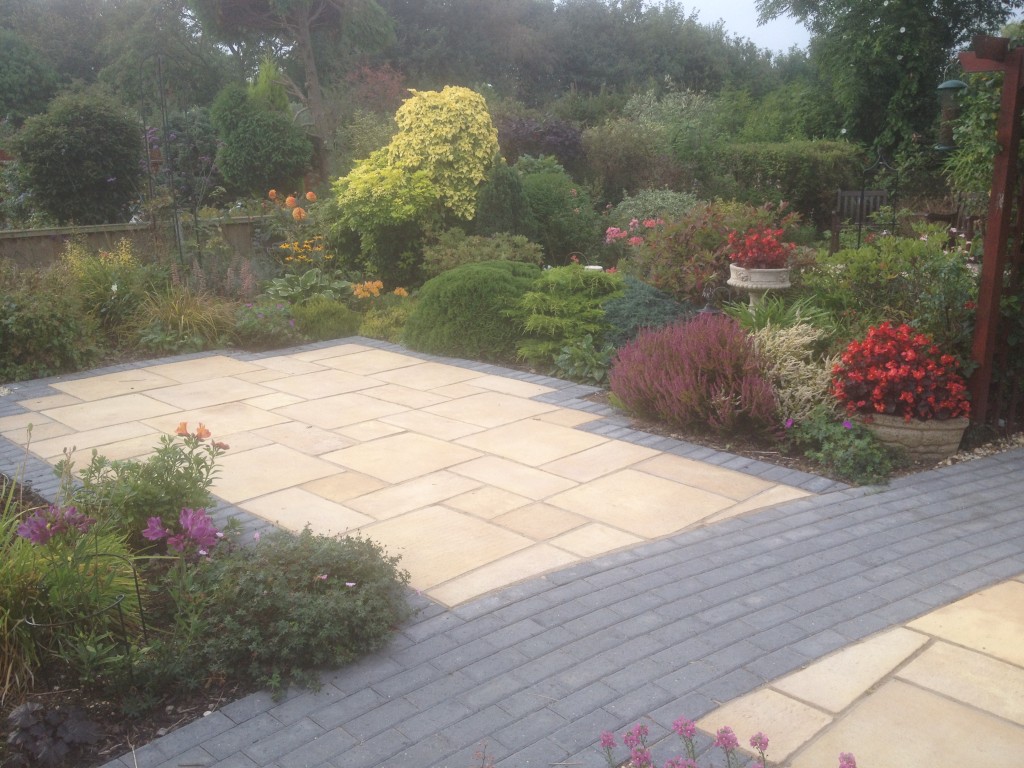
Added a small paved seating area for evening use
Introduced raised planting beds along the fence
Chose low maintenance plants that thrived in partial shade
Defined the lawn edge to make mowing easier
The result
The homeowner gained a usable outdoor living area that required less weekly maintenance. More importantly, they began using the space daily—for reading, small gatherings, and relaxing after work. This project reinforced something I’ve seen many times: smart residential landscaping doesn’t need to be expensive or complex to be effective.
Common Residential Landscaping Mistakes to Avoid
Even well-intentioned projects can go wrong without proper planning.
Overcrowding plants too early
Ignoring drainage and soil quality
Choosing style over functionality
Underestimating maintenance needs
Final Thoughts
Investing in your outdoor space enhances comfort, beauty, and everyday enjoyment. Whether you’re new to landscaping or refining an existing yard, the key lies in thoughtful planning and practical choices. From boosting curb appeal to creating outdoor areas you truly use, residential landscaping—including edible landscaping—transforms how a home feels from the outside in. By prioritizing smart layouts, appropriate plant selection, and realistic maintenance plans, homeowners can create outdoor environments that flourish—and feel inviting—year after year.
FAQs
What are the 7 steps to landscape design?
Plan, survey, set budget, choose plants, layout, implement, maintain for a functional and beautiful yard.
What are the 7 principles of landscape design with examples?