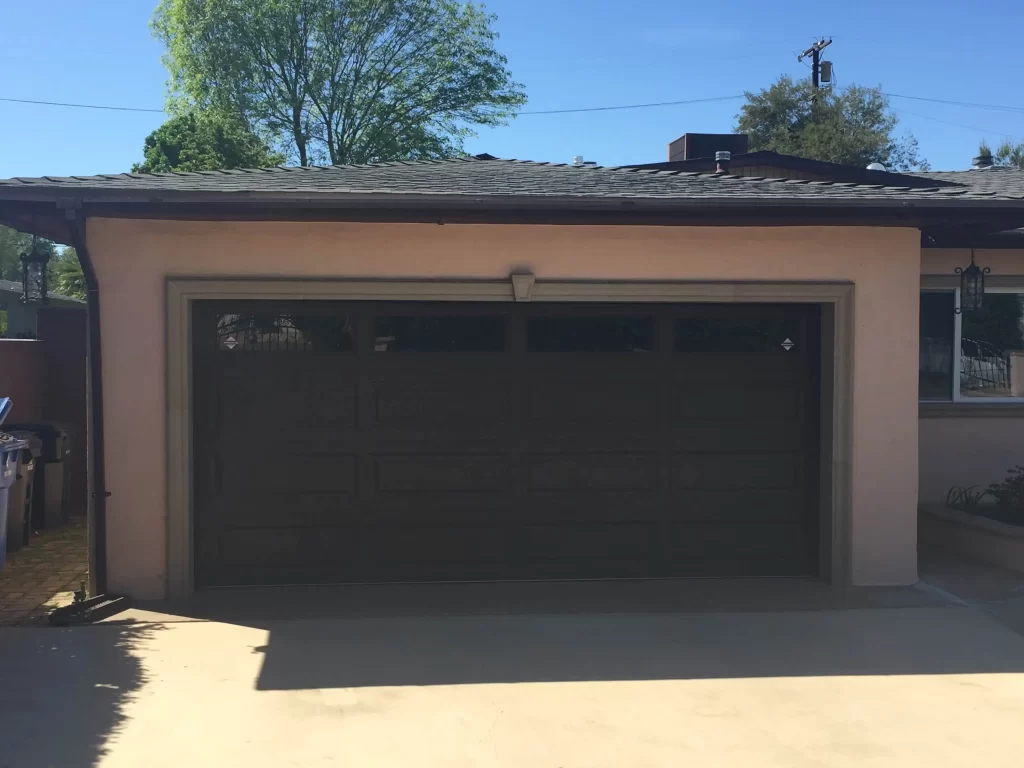
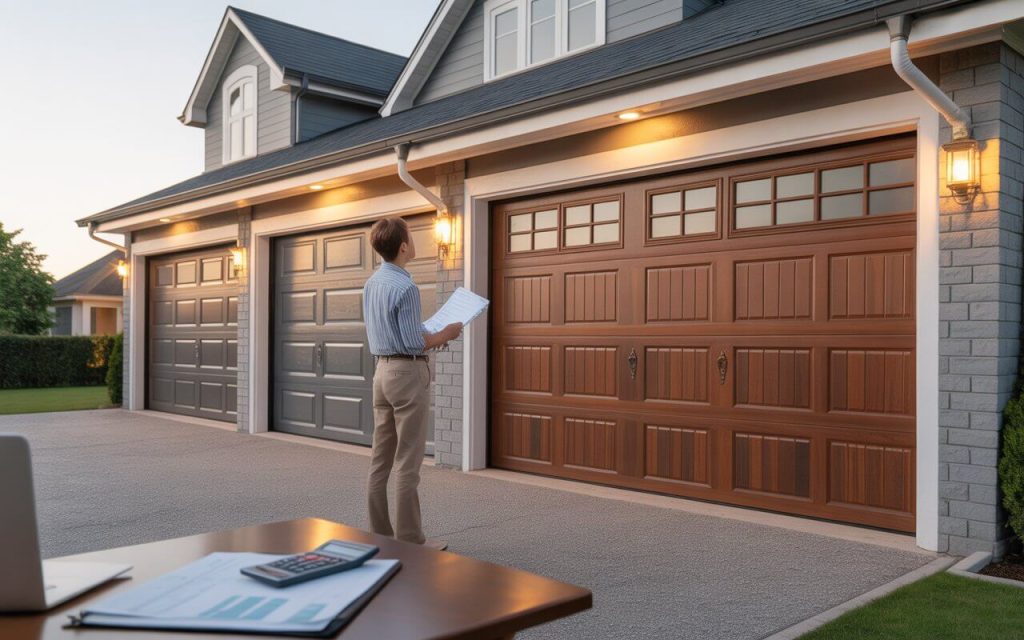
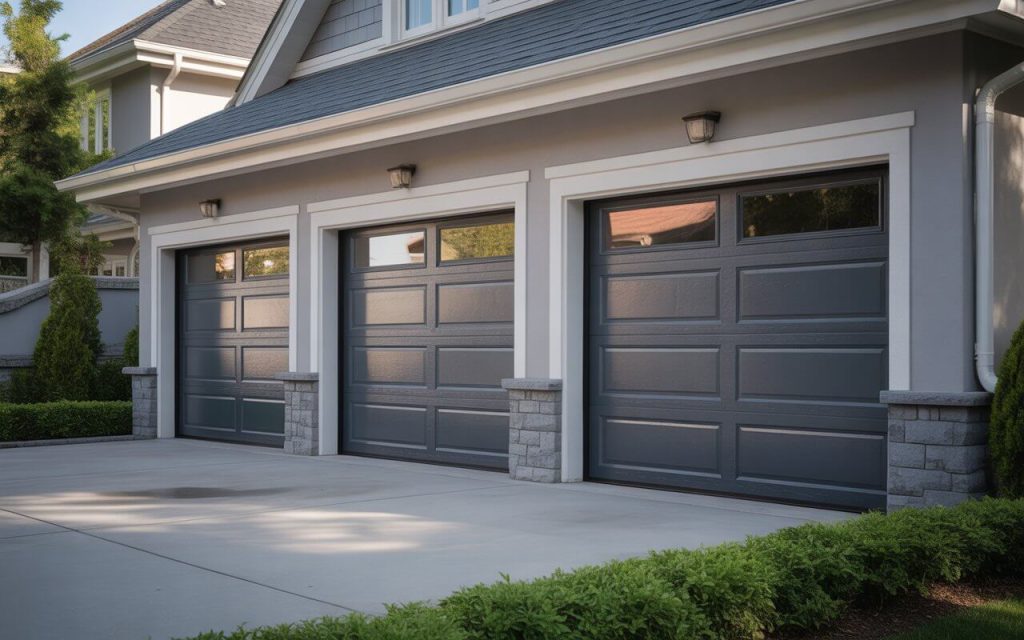
Garage Doors play a crucial role in the functionality, security, and curb appeal of a home. Often overlooked, they are among the largest moving components of a property and have a significant impact on energy efficiency, convenience, and overall value. If your existing unit is outdated, damaged, or no longer meets your needs, replacing it can be a smart long-term investment. This guide explores everything you need to know about choosing the right option, from budgeting and style to materials, insulation, and the latest innovations.
Content
Why Replacing Garage Doors Is a Smart Investment
Old or malfunctioning Garage Doors can reduce your home’s appearance and compromise safety. Modern options are designed with improved security features, better insulation, quieter operation, and advanced automation. According to property experts, upgrading this feature can offer one of the highest returns on investment among home improvement projects, especially when selling a house.
Budget Considerations
Before shopping for new Garage Doors, determine how much you are willing to spend. Prices vary widely depending on material, size, insulation, design, and automation features. Basic single steel options are usually the most affordable, while custom-designed or natural wood models can cost significantly more. Remember to factor in installation costs, removal of the old unit, and optional features such as smart openers.
Choosing the Right Style
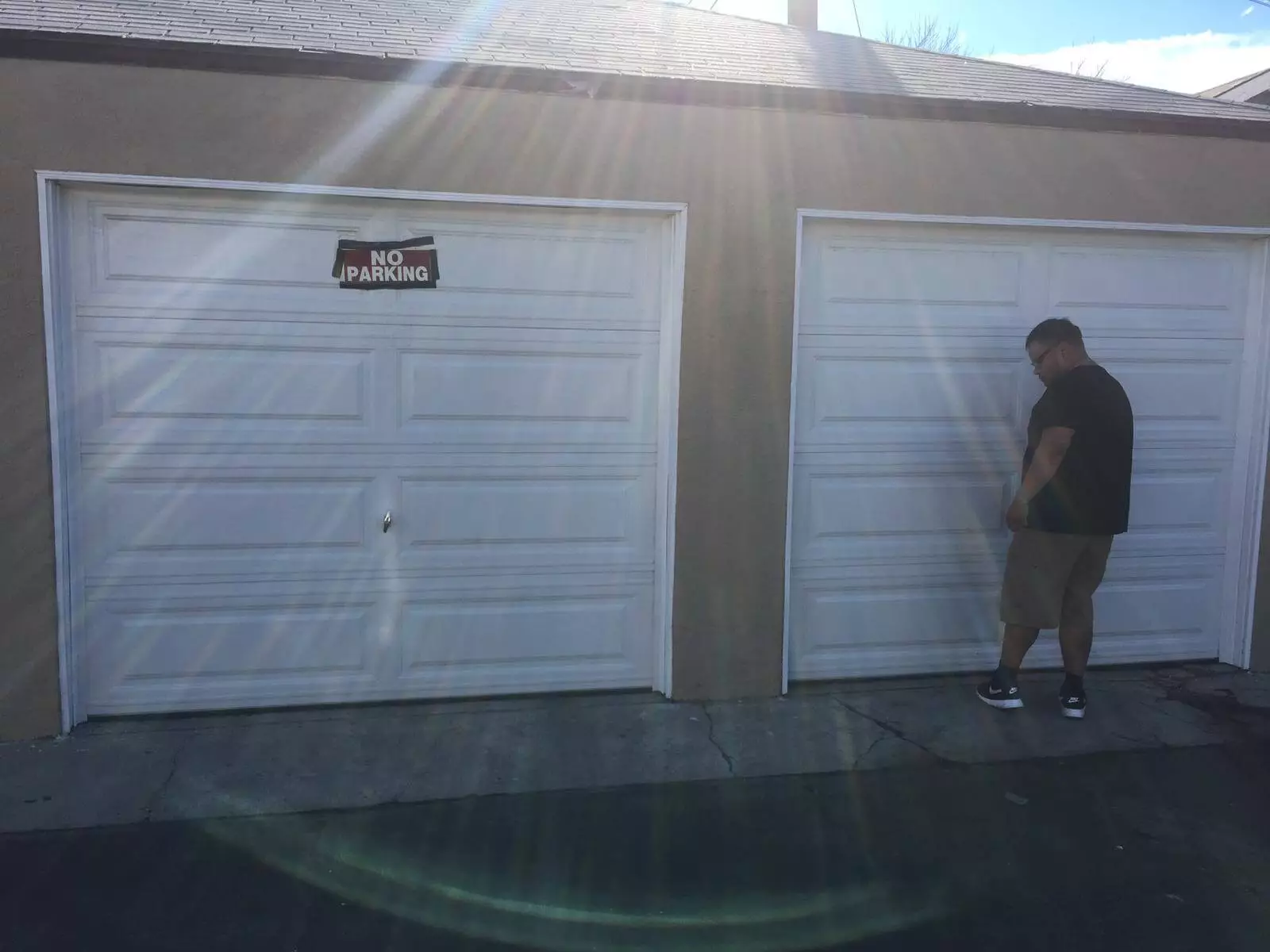
Garage Doors come in a variety of styles to suit different architectural designs. Choosing the right style ensures your garage complements the rest of your home rather than clashing with it.
Common styles include:
Traditional raised-panel designs are timeless and versatile.
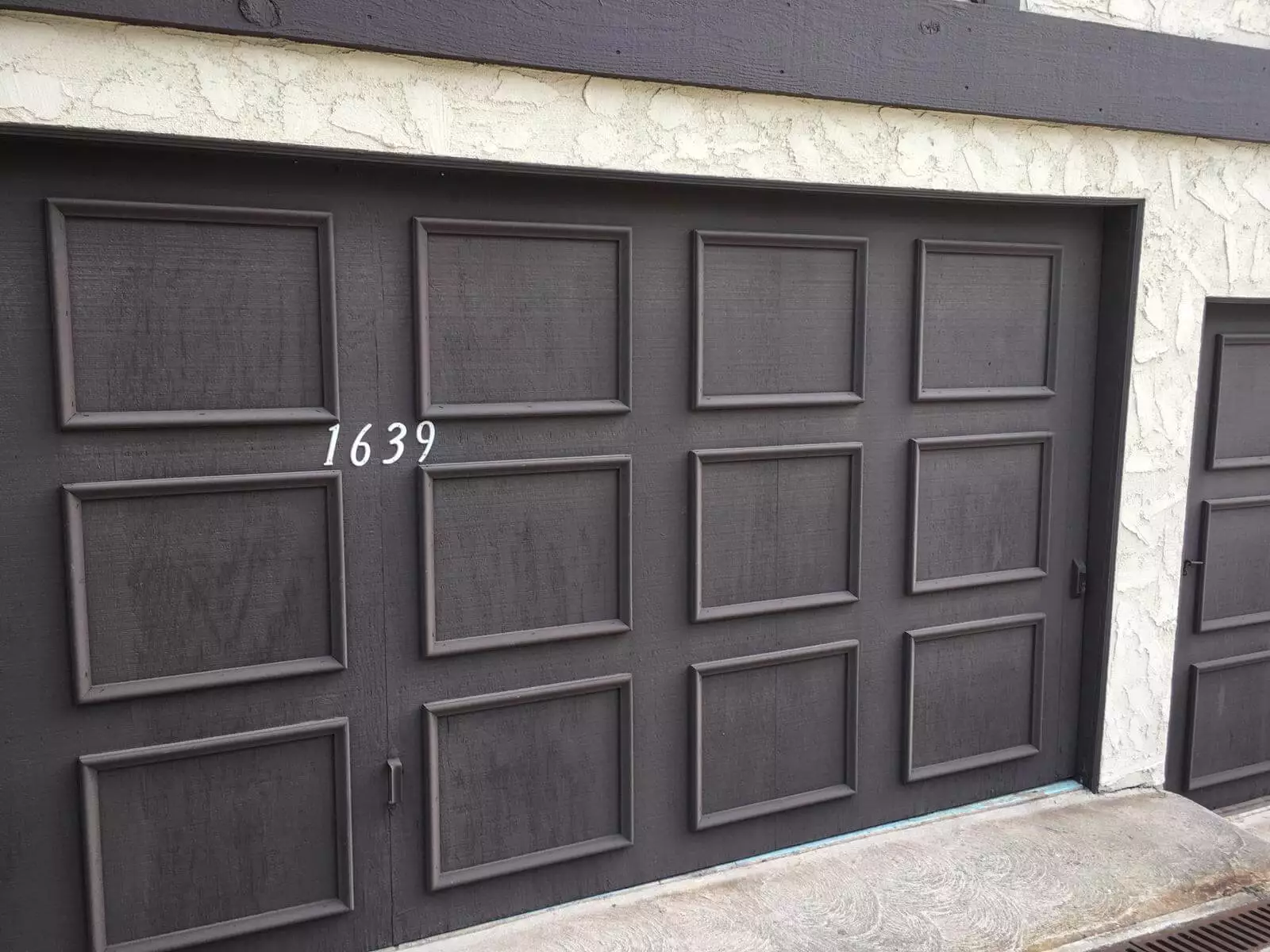
Carriage-style options are ideal for classic or country-style homes.
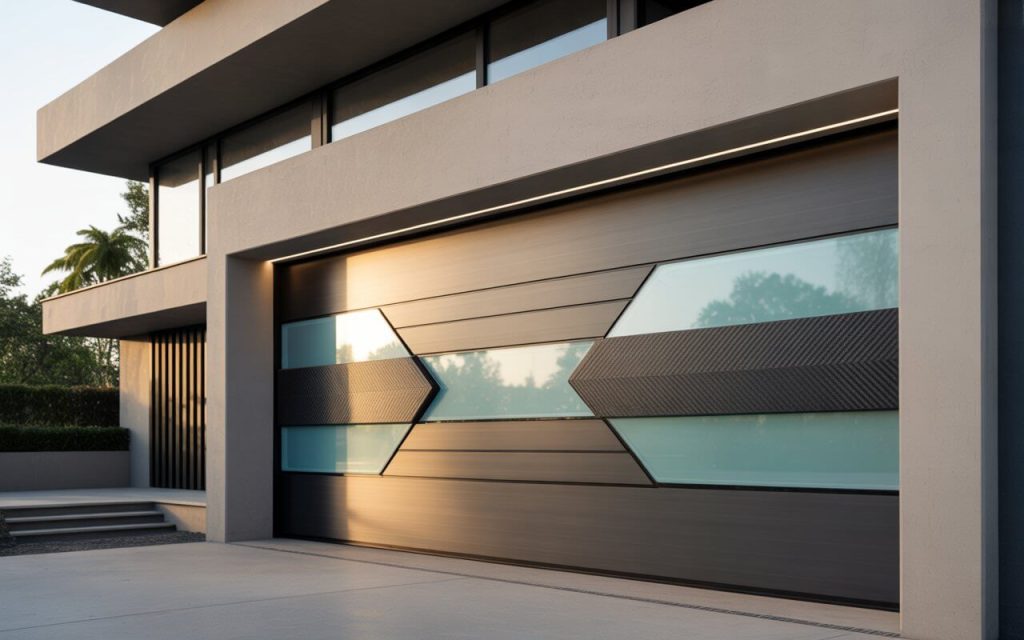
Modern designs feature clean lines, glass panels, or aluminum frames.
Custom-built options offer tailored designs for unique properties.
Materials Used in Garage Doors
Selecting the right material is one of the most important decisions when choosing Garage Door. Each material offers distinct benefits and drawbacks.
Steel Garage Door
Steel is the most popular material due to its durability, affordability, and low maintenance. Steel Garage doors are resistant to warping and cracking and can be insulated for improved energy efficiency.
Wood Garage Door
Wood Garage Door provides unmatched natural beauty and elegance. They are often chosen for luxury or period homes. However, they require regular maintenance and are more expensive than other options.
Aluminum Garage Door
Lightweight and rust-resistant, aluminum garage Door are ideal for modern designs. They often feature glass panels and are suitable for coastal environments.
Fiberglass Garage Doors
Fiberglass Garage Door mimics the appearance of wood while offering greater resistance to moisture and cracking. They are lightweight but may not perform well in extremely cold climates.
New and Innovative Materials in Garage Doors
In recent years, Garage has seen significant innovation in materials, combining aesthetics with performance and sustainability.
Composite Garage Doors
Composite Garage Door are made from a blend of wood fibers and recycled plastics. They offer the appearance of real wood without the high maintenance requirements. These Garage Door are resistant to moisture, insects, and rot, making them an excellent long-term option.
Vinyl Garage Doors
Vinyl Garage Doors are gaining popularity due to their durability and low maintenance. They resist dents, cracking, and rust, making them ideal for families or high-traffic homes. Vinyl Garage are also energy-efficient when insulated properly.
Glass and Aluminum Hybrid Garage Doors
For homeowners seeking a sleek, contemporary look, glass and aluminum hybrid Garage are an attractive option. These doors allow natural light into the garage and are commonly used in modern architectural designs. Frosted or tinted glass options provide privacy while maintaining style.
Sustainable and Eco-Friendly Materials
Environmentally conscious homeowners are increasingly choosing Garage Door made from recycled or sustainable materials. These options reduce environmental impact while still delivering durability and visual appeal.
Insulation and Energy Efficiency
Insulated Garage Doors are essential if your garage is attached to your home or used as a workspace. Insulation helps regulate temperature, reduce energy costs, and minimize noise. Common insulation materials include polystyrene and polyurethane, with the latter offering superior thermal performance.Choosing insulated Garage is particularly beneficial in areas with extreme temperatures, as it helps maintain comfort year-round.
Automatic and Smart Garage Door Openers
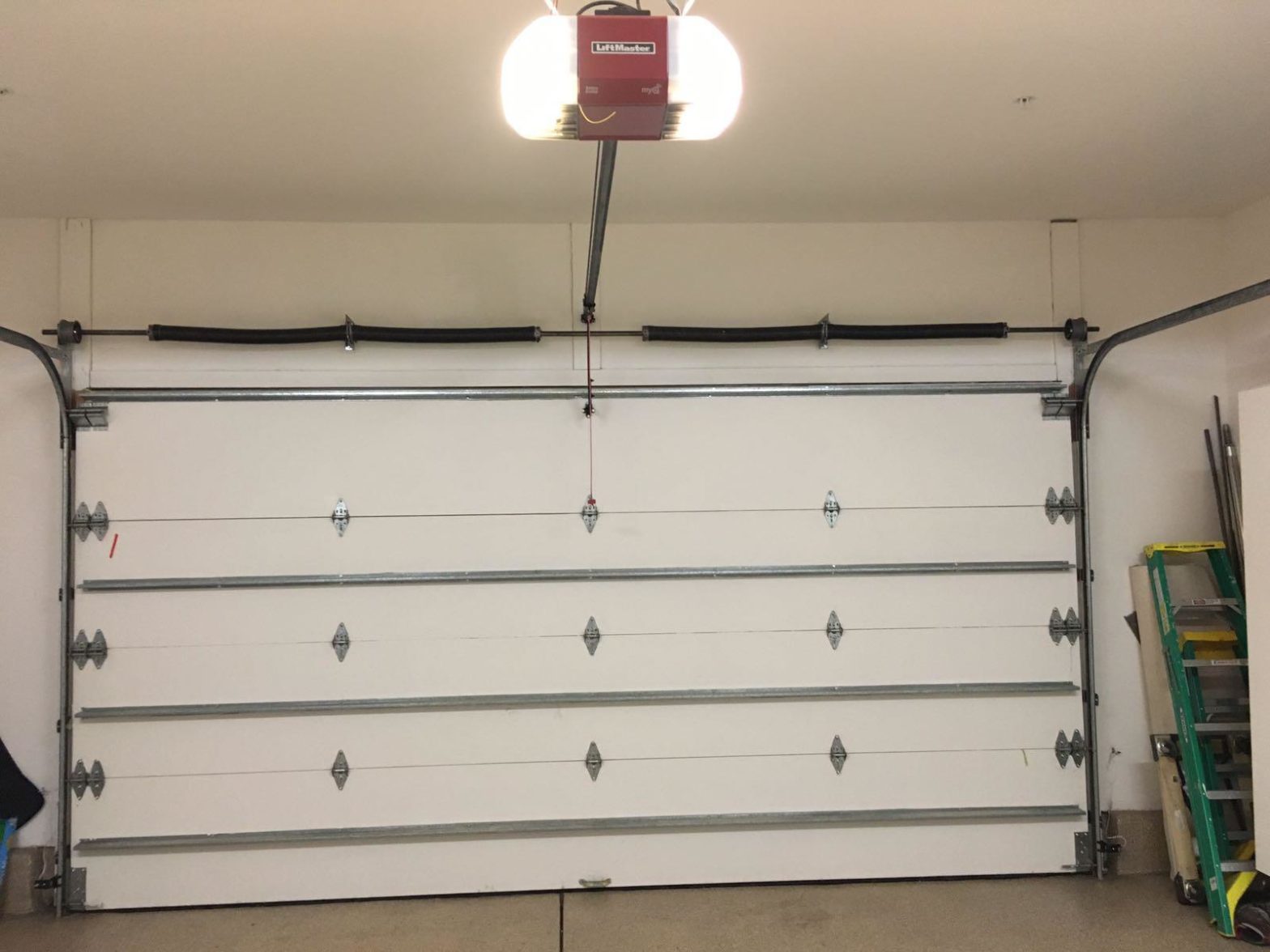
Modern options often include automatic garage door opener that enhance both convenience and security. Today’s smart systems allow homeowners to control access remotely using smartphones, receive real-time alerts, and integrate seamlessly with home automation systems. While automatic openers add to the initial cost, they significantly improve daily usability and overall safety.
Safety and Security Features
New Garage Doors are equipped with advanced safety features such as:
Auto-reverse mechanisms
Motion sensors
Rolling-code technology
Reinforced locking systems
These features protect your family, vehicles, and belongings while preventing unauthorized access.
Warranty and Long-Term Value
Always review the warranty offered with a new installation. Many manufacturers provide coverage ranging from one year to lifetime protection, depending on the components included. A strong warranty is a clear indicator of quality and provides long-term peace of mind.
Professional Installation Matters
Proper installation is critical to long-term performance and durability. Working with an experienced professional replacement service ensures correct fitting, safe operation, and compliance with local regulations. A qualified installer can also guide you in selecting the best option for your home and budget.
Final Thoughts
Replacing Garage Doors is a significant decision that affects your home’s appearance, comfort, and security. By carefully considering budget, style, materials, insulation, and modern features, you can select the right option to meet your needs and enhance your property’s value. Taking time to research and consult professionals will help you make a confident, informed choice. For additional inspiration and design ideas, platforms such as Atlas Obscura, Woddal, IntenseDebate, Letterboxd, and Dribbble can provide creative insights into modern designs and architectural trends. With the right selection, your new installation will serve your home reliably and stylishly for many years to come.
FAQs
Why is it called a garage?
The term comes from the French word garer, meaning “to shelter,” referring to a space used to store vehicles.
How long do Garage Doors last?
Garage Door typically last 15–30 years, depending on material quality, usage frequency, maintenance, and climate conditions.
What is another name for a garage door?
Another common name is an overhead door, referring to its vertical opening and closing mechanism.
What is the purpose of a Garage Door?
A Garage Door protects vehicles and belongings while providing secure, convenient access to the garage space.
Todd is an avid home blogger, with the goal of helping his readers find inspiration and ideas for their next project. He writes about everything from small design projects to large renovations. His goal is to help people transform their homes into something that reflects who they are.