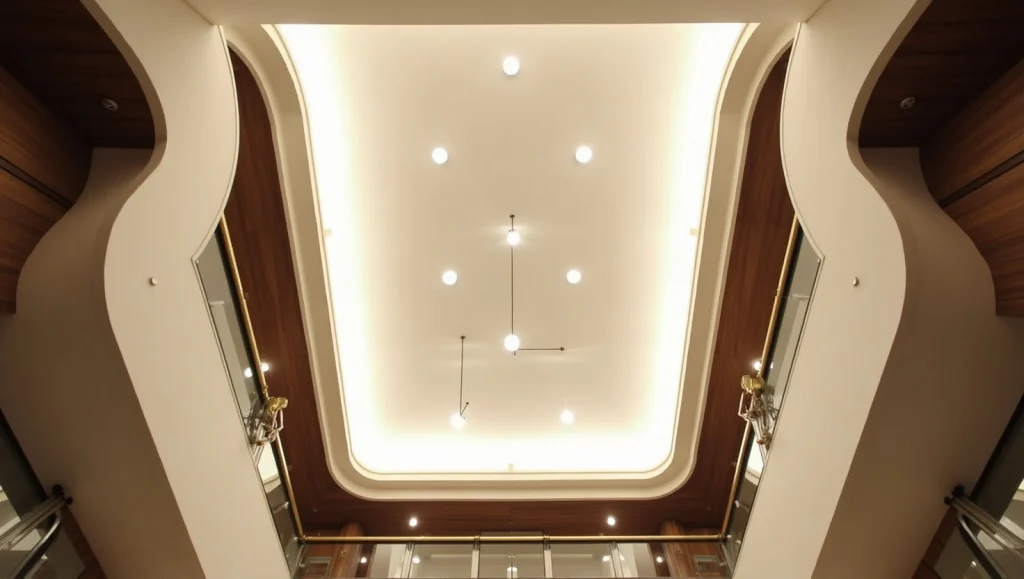
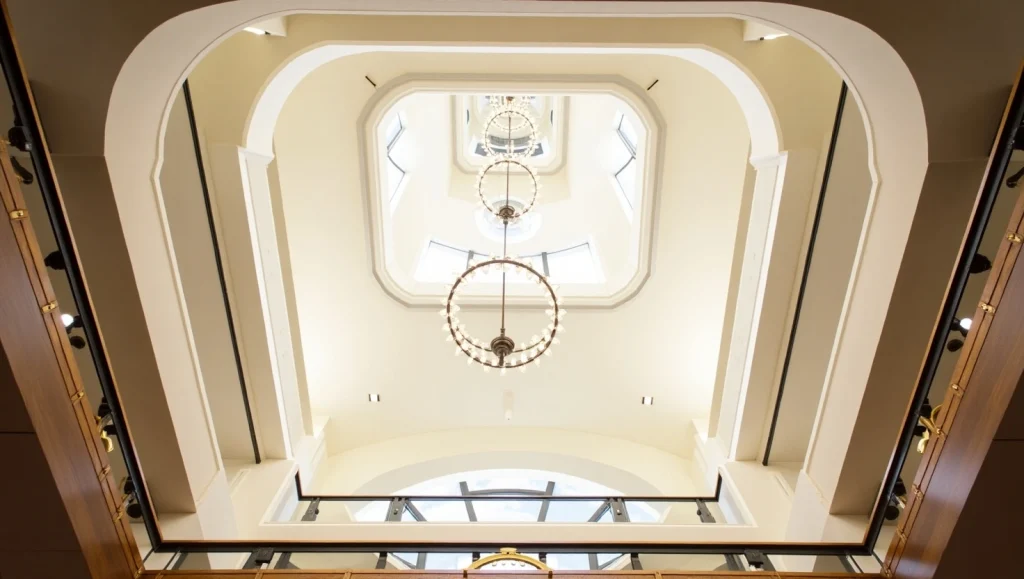
Ceiling design has become a defining element in modern architecture, moving beyond its basic function to serve as a visual centerpiece in residential and commercial spaces. From artistic detailing to lighting integration, innovative ceiling treatments add depth, personality, and structure to interiors. When thoughtfully designed, the ceiling can influence mood, enhance spatial perception, and tie an entire room’s design language together.
Content
The Role of Ceiling Design in Contemporary Interiors
Well-planned ceiling designs contribute significantly to the aesthetics and functionality of a space. Ceilings can visually expand small rooms, define zones in open-plan layouts, or hide electrical and mechanical components seamlessly. In modern interior design, ceiling treatments are often used to create contrast, draw attention, or complement architectural elements like walls, lighting, and flooring. As a result, selecting the right ceiling style has become just as essential as choosing furniture or color palettes.
Modern Design Solutions for Sleek and Functional Interiors
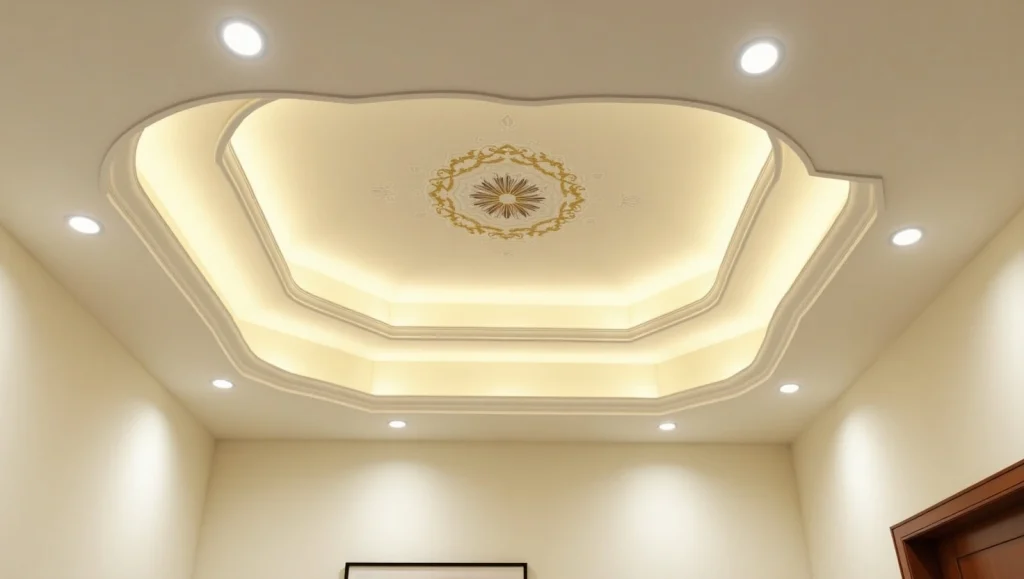
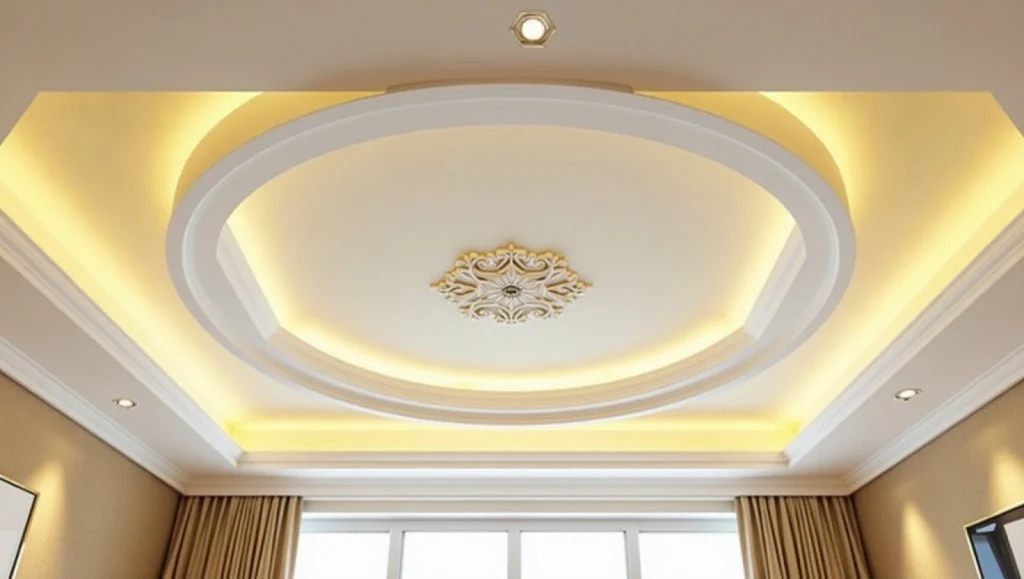
False panel design remains a top choice in residential and commercial interiors thanks to its adaptability. These suspended structures are commonly crafted from gypsum or Plaster of Paris (POP), providing a smooth surface ideal for embedded lighting, concealed ductwork, and sound control. Many homeowners opt for layered or tray-style panels to create depth, hide wiring, or incorporate ambient lighting. This approach not only elevates the visual appeal but also improves energy efficiency through better light distribution.
POP Ceiling Design: Classic Form with Modern Utility
Among popular materials, POP ceiling design stands out for its ability to shape elegant curves, ornate patterns, and recessed details. It is commonly used in living rooms, bedrooms, and corridors where refined finishes are desired. POP allows for smooth surfaces ideal for painting, stenciling, or lighting effects, making it a timeless addition that bridges traditional artistry with modern needs.
Smart LED Lighting Solutions for Stylish Space
LED ceiling design is fast becoming a standard in energy-efficient, tech-forward interiors. Strategically integrated LED strips or recessed lighting systems enhance the architecture of the ceiling while providing flexible illumination options. Whether used to outline a floating ceiling or set the ambiance in a bedroom, LED lighting offers practical and visual benefits. In smart homes, LED systems are often linked with voice or mobile control, giving users customizable brightness and color schemes.
Simple Ceiling Design for Bedroom Comfort
Minimalism in bedroom design is both stylish and calming. Soft edges, neutral tones, and clean lines promote a restful atmosphere. Recessed lighting, matte finishes, or subtle texture additions like micro plaster or wallpaper help personalize the ceiling without overwhelming the room. In smaller spaces, a simple ceiling design for bedrooms can also enhance the perception of height and openness.
Acoustic Ceiling Panels in High-Function Spaces
As homes integrate workspaces, studios, and media rooms, acoustic ceiling panels have gained popularity for their sound-absorbing properties. These panels, often made of foam, fabric, or wood-finish composites, are used to reduce echo and improve clarity in audio-sensitive environments. Acoustic designs are functional yet visually adaptable, fitting into both contemporary and industrial-style interiors.
Wallpaper and Printed Ceiling Options for a Bold Impression
For a quick visual upgrade, wallpaper design provides a creative alternative to traditional finishes. Printed ceilings with floral motifs, geometric patterns, or metallic accents can turn a plain ceiling into a statement feature. These options are especially effective in powder rooms, hallways, or above dining areas where ceiling height allows for artistic expression.
Sculptural and Hand-Painted Ceilings for Artistic Expression
In luxury or heritage-inspired interiors, sculptural plasterwork and hand-painted ceiling murals add sophistication and historical reference. From Renaissance-style frescoes to modern abstract motifs, these designs serve as functional artwork. While often reserved for formal rooms or entryways, such features elevate the perceived value and uniqueness of a property.
Ceiling Ideas by Room Function
Every room has different lighting and acoustic needs, which should inform design choices. In kitchens, ceiling tiles that are easy to clean pair well with recessed task lighting. Dining rooms benefit from layered ceilings with pendant lighting, while living rooms often use coffered or beam ceilings for grandeur. Bathrooms typically require moisture-resistant materials like PVC or aluminum panels with integrated ventilation systems.
Material Selection and Maintenance Tips
Choosing the right materials impacts not only visual appeal but also durability. Gypsum boards offer ease of shaping and fire resistance, making them ideal for false ceilings. POP is more moldable and cost-effective, but less suitable in high-humidity zones. For longevity, regular cleaning, occasional repainting, and sealing joints help maintain the finish and structure of the ceiling over time.
Reviving Homes and Hearts with Practical Ceiling Upgrade Insights
Before starting a ceiling renovation, it’s important to assess ceiling height, room purpose, existing wiring, and lighting needs. For those focused on reviving homes and hearts, thoughtful design choices should blend seamlessly with wall colors, furnishings, and the flow of natural light. Collaborating with a designer or architect ensures any structural updates not only meet building codes but also support energy efficiency and long-term comfort.
Valuable Additions for Modern Ceiling Design Projects
To make ceilings both attractive and intelligent, consider adding dimmable lights, motion sensors, or skylights. Stretch ceiling options offer flexibility in color and texture, while coffered panels introduce symmetry. The integration of smart lighting and home automation continues to redefine the role ceilings play in home comfort and design innovation.
FAQs
What type of ceiling is best?
The best type depends on the space, but false ceilings made from gypsum or POP are widely preferred for their clean look, durability, and lighting integration.
What is PVC ceiling design?
PVC ceiling design uses lightweight, waterproof polyvinyl chloride panels ideal for moisture-prone areas like kitchens and bathrooms, offering low maintenance and easy installation.
What are the three types of ceilings?
The three common types are flat, tray, and coffered ceilings—each offering different visual depth, lighting options, and architectural appeal.
How to make a ceiling nice?
Enhance a ceiling with layered lighting, textures, paneling, or decorative molding. Color coordination and clean finishes also elevate the overall look.