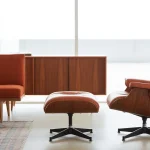
Cocktail table furniture plays a key role in shaping the layout and character of modern living rooms. It functions as both a design anchor and a practical surface, offering a place to rest drinks, display décor, or create a cohesive furniture arrangement. The visual symmetry it provides adds structure and balance, making it essential in both traditional and contemporary interiors.
The current design landscape favors cocktail table furniture that merges clean lines with innovative features. Glass, chrome, matte metals, and engineered wood are commonly used materials, chosen not only for aesthetics but also for ease of maintenance. These sleek, minimalist pieces align with evolving tastes in urban and open-plan living environments.
Cocktail Table Furniture Supports Diverse Interior Styles
Whether for a rustic farmhouse layout or a refined minimalist apartment, cocktail furniture can be adapted to suit virtually any style. From reclaimed wood finishes to polished marble tops, these tables offer a wide variety of material choices. Homeowners often select finishes that coordinate with their seating and flooring to ensure a harmonious design flow.
Designers and homeowners alike increasingly value cocktail furniture that goes beyond visual appeal. Models with integrated storage compartments, lift-top functionality, or shelving help manage living room clutter without sacrificing style. These practical elements are particularly valuable in small spaces where efficient furniture design is essential.
Cocktail Table Requires Thoughtful Proportions
A well-chosen piece of cocktail table respects the dimensions of its surrounding space. Standard recommendations suggest that the table’s height should align with sofa cushions and its width span about two-thirds the sofa’s length. Following these proportions ensures functionality without crowding or imbalance.
Cocktail Table Furniture Shapes Room Ambiance and Flow
More than just furniture, cocktail tables influence how a room feels. A round table softens sharp angles and promotes movement in tight spaces, while a rectangular model offers structure and suits longer seating arrangements. Material choice—whether light-toned wood or dark glass—also plays a subtle role in determining mood and visual weight.
Cocktail Furniture Evolves with Consumer Expectations
Today’s consumers are more discerning in their selections, driving innovations in cocktail furniture. Designers now incorporate modular formats, eco-conscious materials, and tech-enhanced features like wireless charging stations. These additions reflect a broader desire for furniture that adapts to changing lifestyles while maintaining aesthetic quality.
Cocktail Table Enhances Property Appeal and Perceived Value
Well-styled interiors influence how visitors—and potential buyers—perceive a space. Cocktail table that aligns with current design trends can make a living room appear more curated and polished. As a result, even small updates to central pieces like these may contribute to stronger impressions in both staging and photography.
Cocktail Furniture Expresses Design Identity
Unique designs allow cocktail furniture to serve as a personal statement in a room. Sculptural bases, custom finishes, and artistic material pairings transform functional furniture into visual art. For homeowners with a clear sense of style, a distinctive cocktail table often becomes the centerpiece of their overall aesthetic.
Cocktail Furniture for Space-Conscious Living Environments
Compact urban dwellings and multi-use rooms benefit from cocktail furniture designed for flexibility. Options that nest, fold, or combine multiple uses appeal to those looking to maximize function in limited square footage. These pieces maintain elegance without compromising on versatility, serving modern households efficiently.
In homes where open-concept design is common, cocktail furniture provides a visual anchor that helps define the living space. It seamlessly bridges areas used for relaxation, entertainment, and work. A thoughtfully selected table with layered surfaces or built-in compartments supports the multifunctional needs of a dynamic household while elevating the room’s overall appearance.
Cocktail Table Enhances Hospitality and Social Flow
Social gatherings often center around the living room, and the cocktail table plays a practical role in guest interaction. It provides a surface for serving drinks, placing snacks, or displaying floral arrangements during entertaining. The right table supports hospitality without obstructing traffic flow, contributing to a smooth and welcoming environment.
Cocktail Table Designed for Longevity and Daily Use
Durability is a priority when selecting a cocktail table, especially in homes with children or pets. Scratch-resistant finishes, rounded edges, and high-quality joinery ensure that the piece retains its appearance through years of use. Investing in a table that withstands daily wear while preserving its structural integrity ensures long-term value and satisfaction.
Rotating décor with the seasons is a popular interior design strategy, and cocktail furniture serves as the perfect canvas for these changes. Neutral finishes and simple silhouettes allow the table to transition from cozy autumn centerpieces to bright spring arrangements. Its central position makes it an ideal location for showcasing evolving design themes throughout the year.
Cocktail Table Furniture Tailored for Luxury Residential Projects
In high-end residential design, cocktail furniture is custom-selected to align with curated color palettes, premium materials, and bespoke furnishings. Marble, brass, exotic hardwoods, and handcrafted finishes are commonly used to deliver luxury appeal. These tables are not only functional but also act as hallmarks of sophistication in professionally designed spaces.
Cocktail Furniture Enhances Layout Flexibility in Open Plans
For large open-plan layouts, modular cocktail furniture provides adaptability. Pieces that can be split, nested, or rearranged help maintain layout flexibility for changing room functions. Whether hosting guests, rearranging furniture, or adapting for family needs, modular tables allow for quick and seamless transitions in room organization.
Cocktail Table Complements Lighting and Color Schemes
The finish, shape, and texture of cocktail table furniture can either absorb or reflect light, affecting how the room is perceived. A light-colored or glass table can brighten dim spaces by bouncing light, while darker wood finishes ground a room with deeper tones. Selecting a table that works harmoniously with natural and artificial lighting enhances visual depth and ambiance.
Cocktail Tables Aligns with Eco-Conscious Design Values
As sustainability becomes central to design conversations, many homeowners choose cocktail tables made from recycled materials, FSC-certified wood, or low-impact production processes. These selections support eco-friendly living without compromising on aesthetics. Environmentally responsible choices in furniture contribute to a home’s green footprint while maintaining luxury appeal.
Cocktail Furniture Serves Designers as a Focal Styling Element
Interior designers often start room planning with cocktail furniture as a foundational element, using it to anchor the layout and style. Its size, texture, and placement guide decisions on rugs, seating, and wall décor, helping create balanced visual flow and layering. Whether round, square, or uniquely shaped, this versatile piece plays a key role in shaping furniture ideas for every room with both function and aesthetic in mind.
Cocktail Furniture Adds Texture and Depth to Interior Finishes
Incorporating a variety of surface textures through cocktail table furniture enhances visual interest in a living area. Distressed wood, matte metal, high-gloss lacquer, or woven details can introduce contrast to an otherwise uniform palette. These tactile elements enrich the room’s sensory appeal and elevate the perception of thoughtful design.
FAQs
What is considered a cocktail table?
A cocktail table is a low-profile table placed in front of a sofa, typically used for serving drinks, displaying décor, or holding everyday items.
What goes on a cocktail table?
Common items include trays, candles, books, floral arrangements, coasters, or decorative accents that reflect the room’s style.
What is a cocktail table vs. coffee table?
The terms are often used interchangeably, but “cocktail table” typically refers to rectangular tables, while “coffee table” can refer to various shapes, including round or oval.
What size is a cocktail table?
Standard cocktail tables range from 16 to 18 inches in height and are typically 36 to 48 inches in length, proportionate to the size of the seating area.