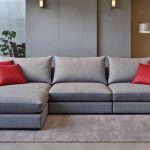
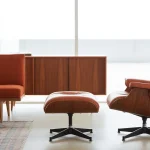
Modern living demands spaces that are not only beautiful but also highly functional. The thoughtful selection of furniture and fixtures plays a crucial role in shaping the comfort, style, and utility of both residential and commercial interiors. Whether it’s a cozy home setting or a contemporary office layout, the right combination of these elements contributes to an environment that supports both lifestyle and productivity.
Content
What Are Furniture and Fixtures?
The term furniture and fixtures refers to the physical components used to furnish and equip a space. Furniture includes movable objects like chairs, sofas, tables, and beds, while fixtures are typically fixed in place—such as lighting, cabinetry, shelves, and built-in appliances. Together, they shape the layout, functionality, and style of residential and commercial interiors.
Understanding the Role of Furniture and Fixtures
Furniture refers to movable objects such as chairs, tables, sofas, beds, and storage units designed to support various human activities. Fixtures, on the other hand, are items that are fixed or built into a property, such as lighting, cabinetry, and shelves. Together, furniture and fixtures determine how space is utilized and perceived, making them essential components of interior design.
Essential Categories of Furniture for Modern Spaces
In residential spaces, living room furniture often serves as the visual and functional centerpiece. Sofas, coffee tables, entertainment units, and recliners combine comfort with design to create a welcoming atmosphere. In work environments, ergonomic office furniture—such as height-adjustable desks, task chairs, and filing cabinets—enhances productivity and promotes wellness.
Outdoor areas benefit from durable patio furniture designed to withstand the elements, including loungers, outdoor dining sets, and garden benches. These pieces not only offer relaxation but also elevate curb appeal and usability.
The Importance of Fixtures in Interior Aesthetics
Fixtures are critical for both practicality and design. Lighting fixtures, including pendant lights, chandeliers, and sconces, enhance ambiance and improve task efficiency. Built-in cabinetry, bathroom vanities, and decorative wall panels are examples of fixed features that contribute to storage and stylistic cohesion. When chosen thoughtfully, fixtures provide the finishing touch that transforms a space from ordinary to exceptional.
Eco-Friendly and Sustainable Furniture Choices
With growing awareness of environmental impact, eco-friendly furniture is gaining popularity. Made from sustainable materials such as bamboo, reclaimed wood, and recycled metals, these pieces reduce ecological footprints without compromising style or durability. Many brands now offer environmentally responsible collections that meet consumer demand for green living.
Custom and Locally-Made Furniture Options
Personalized furniture solutions offer flexibility in style, size, and materials. Local craftsmen and custom furniture makers provide options tailored to unique preferences, ensuring a perfect fit for specific interiors. This also supports local economies and offers greater control over design and quality.
Finding Reliable Furniture Stores and Retailers
Choosing a trustworthy furniture store requires consideration of customer reviews, return policies, pricing, and material transparency. Whether shopping in person or online, buyers should prioritize retailers offering a balance of affordability and craftsmanship. Searching for terms like furniture store near me or custom furniture near me often reveals nearby options with quality selections and design support.
Design Strategies for Furniture and Fixture Integration
To achieve harmony, consider layout principles that promote flow and function. For example, aligning furniture with architectural lines, using symmetrical fixture placement, and mixing textures (like wood and metal) create a cohesive aesthetic. Proper spacing, scale, and lighting also influence the perception and usability of a room.
Budget Considerations and Value
Furniture and fixtures are available across a broad price spectrum. While mass-market pieces offer affordability, investing in well-crafted furniture pays off in durability and satisfaction. Comparing materials, warranties, and customer support can guide informed purchasing decisions that maximize long-term value.
Furniture and Fixture Integration
Proper care extends the life of your investments. Regular dusting, appropriate cleaning agents for different materials, and seasonal maintenance for outdoor furniture are essential practices. Fixtures like lights or plumbing should be checked periodically to maintain functionality and safety.
Final Thoughts
Furniture and fixtures play a crucial role beyond mere decoration—they shape how we live, work, and interact with both indoor and outdoor spaces. By focusing on quality, sustainability, and purposeful design, you can create environments that are not only visually appealing but also practical and supportive of daily life. Whether you’re refreshing a single room or enhancing your outdoor spaces, the right furniture and fixtures can transform any area into a functional and inviting retreat.
FAQs
What is considered furniture & fixtures?
Furniture & fixtures include movable items like chairs and tables (furniture) and fixed installations like lighting and built-in shelves (fixtures).
What is an example of a furniture and fixture?
A sofa is furniture; a wall-mounted light is a fixture.
Is TV a furniture and fixture?
No, a TV is considered an electronic appliance, not furniture or a fixture.
What is an example of fixtures?
Examples of fixtures include ceiling lights, built-in cabinets, and bathroom sinks.