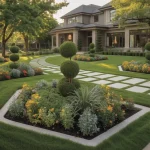
As someone who has spent years working with small home gardens, I’ve seen how the right balance of plants and structure can completely transform a space. One of the biggest game-changers in any outdoor area is Hardscape landscaping. It’s not just about stone and concrete—it’s about creating functional, beautiful spaces that make your garden easier to use, easier to maintain, and far more enjoyable to live in.
If you’ve ever struggled with muddy paths, uneven ground, wasted corners of your yard, or a garden that looks nice but feels impractical, then hardscape design can solve more problems than you might expect.
Content
Understanding Hardscape Landscaping in Simple Terms
Many homeowners ask, “What is hardscape landscaping?”In the simplest words, it refers to the non-living elements in your garden. These are the permanent or semi-permanent structures such as patios, walkways, retaining walls, seating areas, steps, edging, pergolas, and paved surfaces.
While plants bring life and color, hardscape brings structure, function, and stability. Together, they create a balanced outdoor environment.From my experience, the biggest mistake people make is focusing only on plants. A garden can look beautiful, but without proper paths, seating areas, or defined zones, it often feels messy and underused. That’s where hardscape design becomes essential.
Why Hardscape Landscaping Matters for Small Home Gardens
In small gardens especially, space must work hard. Every corner should have a purpose. Residential hardscaping helps achieve this by creating:
Clear movement paths
Defined zones for sitting, dining, and relaxing
Better drainage and soil control
Low-maintenance outdoor spaces
Long-term durability and value
I’ve worked with many homeowners who believed hardscape was only for large luxury gardens. In reality, hardscape landscaping for small yards can be even more powerful because smart structure makes limited space feel bigger, cleaner, and more organized.
Core Hardscape Features That Transform Gardens
Structured outdoor spaces make gardens practical and enjoyable every single day. Durable patios and pathways reduce maintenance while increasing the usability of your yard. Thoughtful layouts create calm, organized, and welcoming environments that feel inviting from morning to night. Well-defined areas guide movement and highlight the beauty of natural features, making every corner of your garden purposeful.
Patios and decks offer comfortable spots for family gatherings or quiet moments alone. Walkways protect lawns and plants while improving the natural flow of the garden. Raised beds and retaining walls add depth, dimension, and visual interest to even small outdoor spaces. Fire pits, seating areas, and outdoor kitchens turn ordinary gardens into inviting spaces for socializing and everyday enjoyment.
Patios and Outdoor Living Spaces
A well-designed patio becomes the heart of the garden. It’s where families gather, where tea is shared, where evenings slow down. Whether built with pavers, stone, or concrete, patios create usable space that plants alone cannot provide.In hardscape landscaping ideas for backyards, patios often become the anchor point that connects all other features together.
Walkways and Garden Paths
Paths guide movement and protect plants from foot traffic. They also improve safety and cleanliness. Stone slabs, brick pavers, and gravel paths are common hardscape materials that blend well with natural elements.
Retaining Walls and Leveling Structures
In uneven yards, retaining walls are lifesavers. They prevent erosion, improve drainage, and create flat areas for planting or seating. These structures turn difficult land into usable space.
Seating Areas and Fire Features
Hardscape seating and fire pits add year-round usability. Even small gardens benefit from one solid seating feature that becomes a social hub.
Choosing the Right Hardscape Materials
Material choice defines the personality of your garden. Some popular hardscape landscaping materials list options include:
Natural stone (timeless and organic)
Concrete (modern and cost-effective)
Brick (classic and warm)
Gravel (low-cost and flexible)
Pavers (durable and versatile)
When clients ask me for modern hardscape landscaping ideas, I usually recommend mixing materials—like stone with wood or concrete with greenery—to avoid a cold, rigid look.
Practical Advantages of Structured Garden Spaces
The benefits of hardscape landscaping go far beyond appearance:
Low maintenance: Less watering, less trimming, less mess
Better drainage: Prevents water pooling and soil erosion
Higher property value: Buyers love functional outdoor spaces
Improved usability: Gardens become living spaces, not just decoration
All-season beauty: Looks good even when plants go dormant
Real-Life Case Study: A Small Garden Transformation
One of my favorite projects was with a retired couple living in a compact home with a neglected backyard. The space was uneven, muddy, and barely used. Plants were struggling, and there was no clear layout.
The Problem
Poor drainage
No defined seating area
Unsafe walking surfaces
Overgrown corners
No functional layout
The Solution
We applied a hardscape landscaping design approach:
Built a small stone patio
Installed a curved walkway
Added raised retaining edges
Created a central seating zone
Used gravel and pavers for drainage
The Result
Within weeks, their garden became the favorite spot in the house. They began hosting tea evenings outdoors and started using the space every day. Maintenance was reduced, usability improved, and the garden finally felt truly “complete.”
This project highlights how effective Landscape design can transform a backyard without requiring expensive materials or complex construction. With thoughtful planning and proper execution, outdoor spaces can become functional, inviting, and enjoyable year-round.
Planning Tips for Successful Hardscape Landscaping
If you’re considering a project, follow these simple steps:
Balance hard and soft elements: Avoid overbuilding
Choose durable materials: Long-term value matters
Think long-term: Maintenance, weather, and wear
Cost and Value Considerations
Many people ask about hardscape landscaping cost guide details. Costs vary depending on:
Materials
Labor
Size of area
Design complexity
Drainage and groundwork
But from experience, quality hardscaping always pays off long-term through:
Reduced maintenance costs
Higher property value
Increased usability
Long-lasting durability
Hardscape Landscaping vs Softscape
Designing a garden isn’t about picking between structures and greenery—it’s about creating harmony. Solid features like patios, walkways, and walls provide durability and form, while plants, flowers, and lawns add color, life, and seasonal variation. When both are thoughtfully combined, your outdoor space becomes functional, beautiful, and easy to maintain.
Hardscape = structure, function, durability
Softscape = beauty, life, color, flexibility
The best gardens use both in harmony.
Final Thoughts from a Small Garden Expert
After years of working closely with homeowners, I can confidently say that hardscape landscaping is one of the smartest long-term investments you can make for your outdoor space. In Residential landscaping, hardscape elements transform gardens into true living environments rather than purely decorative areas.
Whether you’re planning a layout for a small yard, creating a private backyard retreat, or upgrading an existing garden, structure should always come before decoration. Plants may change with the seasons, but well-designed hardscape features provide durability, function, and visual balance for decades.
A successful residential landscape begins with a strong structural foundation—patios, walkways, retaining walls, and seating areas—allowing nature to grow organically around it. This approach creates an outdoor space that feels calm, practical, and welcoming every single day.
FAQs
Can ChatGPT do landscaping?
ChatGPT can provide landscaping ideas, design tips, and planning guidance, but cannot physically install gardens.
What are the types of landscaping?
Common types include residential, commercial, xeriscape, Japanese, formal, and landscape design for small home gardens.
What are the 7 types of landscapes?
Urban, rural, desert, forest, coastal, wetland, and mountain landscapes are seven primary types.
What is the rule of 3 in landscaping?
The rule of 3 suggests grouping plants or features in odd numbers for balance and visual appeal.
What are examples of hardscape materials?
Examples include stone, brick, concrete, pavers, gravel, wood, and metal used for paths, patios, and walls.