Designing a home office is more than just placing a desk and chair—it’s about building a space that supports productivity, creativity, and comfort. With remote work becoming common, your office design now has a huge impact on focus, motivation, and overall well-being. When I first set up my workspace, I overlooked the importance of lighting, layout, and organization. Later, I realized that simple adjustments, like moving a desk or upgrading to ergonomic furniture, can dramatically improve performance. In this blog, I’ll share practical home office design ideas, inspired by personal experience, to help you create a workspace that’s both functional and stylish.
Content
Step 1: Choose a Home Office Design Style and Atmosphere
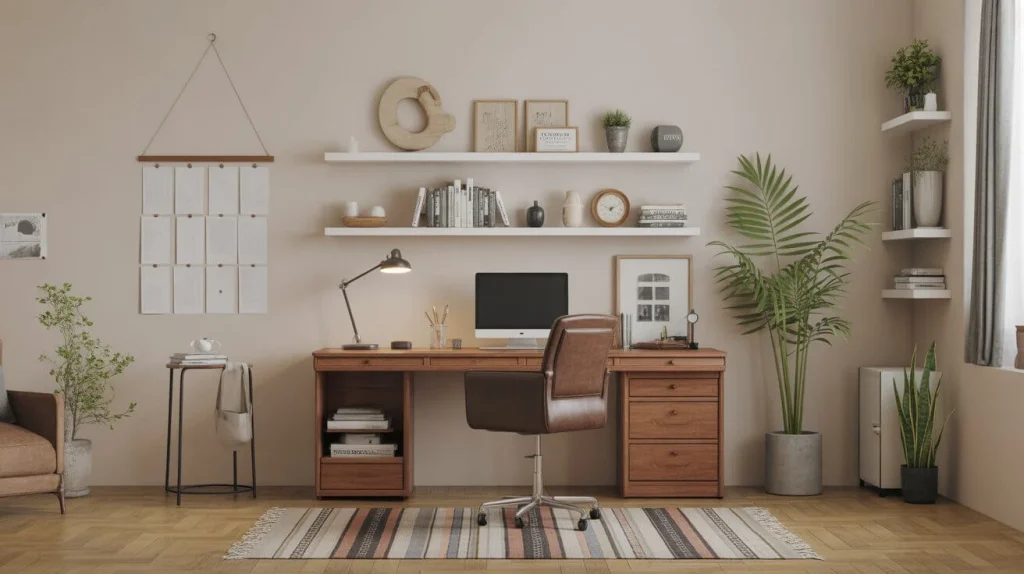
Before buying furniture or setting up your computer, think about how you want your workspace to feel. Do you prefer a modern home office setup with clean lines and minimal décor, or do you lean toward a cozy home office design with warm lighting and layered textures?When designing a client’s home office recently, we focused on a minimalist office design with white walls, wood tones, and greenery. The result was a calming atmosphere that supported deep focus without distractions. A clear vision of your style ensures that every design choice feels intentional and cohesive.
Step 2: Plan a Layout That Works With Your Lifestyle
The best home office layout inspiration balances comfort with efficiency. If you have a dedicated room, place your desk where natural light flows in—facing a window if possible. For smaller spaces, use clever home office storage solutions like wall-mounted shelves or built-in cabinets to save space.If you share your workspace, consider a functional home office arrangement with two desks placed either side-by-side or back-to-back. This setup allows collaboration when needed but keeps personal work zones intact.
Tip: Always think about your workflow. If you’re constantly reaching for reference books, files, or a printer, keep them within arm’s reach to avoid breaking focus.
Step 3: Invest in Ergonomic and Functional Furniture
No matter how beautiful a space looks, if your chair and desk aren’t comfortable, your productivity will suffer. Ergonomic home office furniture—adjustable chairs, standing desks, monitor arms—can prevent fatigue and long-term health issues.When I upgraded my workspace, switching to an ergonomic chair reduced my back pain significantly. Paired with a height-adjustable desk, I could alternate between sitting and standing, which kept my energy levels consistent throughout the day.If you’re working with a tight budget, consider budget-friendly home office setups like secondhand desks or DIY standing desk converters. Functionality should always come first.
Step 4: Focus on Lighting for Comfort and Productivity
Lighting can make or break your home office design. Natural light is ideal, but when that’s not possible, combine task lighting with ambient lighting. A desk lamp with adjustable brightness helps during late-night work sessions, while soft overhead lighting creates a warm atmosphere.In one small home office design project I worked on, the client’s workspace was tucked into a dark corner. By adding a daylight-mimicking LED lamp and reflective wall décor, we brightened up the room without needing structural changes.
Step 5: Use Smart Organization and Storage
A cluttered desk leads to a cluttered mind. That’s why workspace organization ideas are key to staying productive. Floating shelves, file cabinets, and hidden storage help keep essentials accessible without crowding your desk.I personally use labeled baskets for cables and tech accessories—it keeps everything neat while adding a decorative touch. If you want a minimalist office design at home, storage should blend seamlessly with your overall style.
Step 6: Add Personality With Décor and Accessories
While functionality is crucial, don’t forget to make your workspace feel like yours. Adding artwork, indoor plants, or a statement rug can bring warmth to the room. A few pieces of stylish home office décor can spark creativity without overwhelming the space.For one client who wanted a cozy home office, we used layered textures like woven baskets, a soft throw blanket on the chair, and greenery by the window. The space instantly felt more inviting and motivating.
Real-Life Case Study: Transforming a Small Home Office
One of my favorite projects involved helping a couple design a small home office in their apartment. They needed one workspace for two people, but space was extremely limited.
Here’s how we approached it:
Layout: We placed two slim desks against opposite walls to maximize floor space.
Storage: Floating shelves held books and office supplies without eating into the room.
Lighting: A shared floor lamp plus under-shelf lighting kept both desks bright.
Style: They chose a modern home office design with black metal frames and wood finishes for a sleek, cohesive look.
The result? A compact yet functional home office arrangement that allowed them to work side by side without feeling cramped. They told me later it not only boosted productivity but also helped keep their apartment organized.
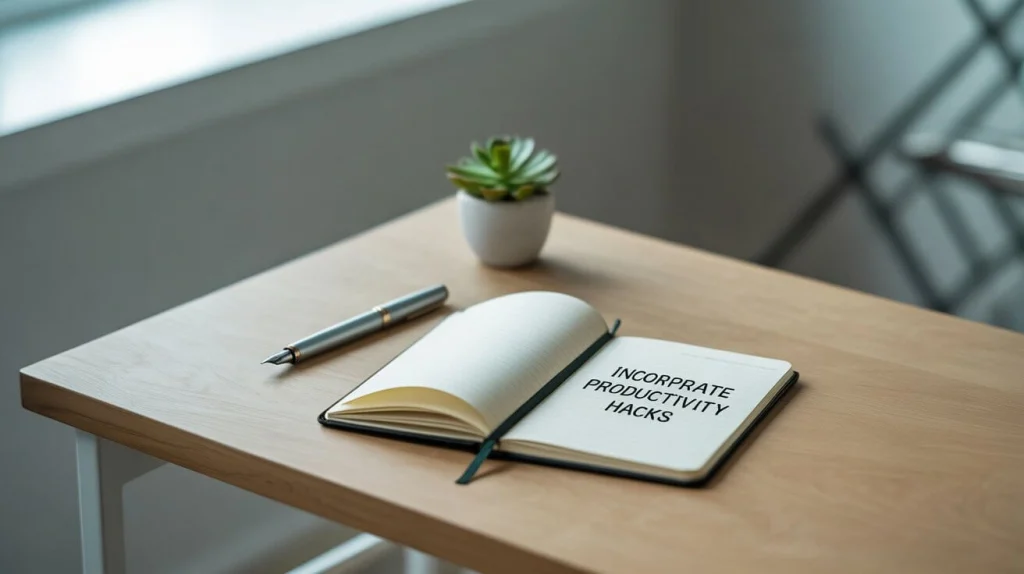
Step 7: Incorporate Productivity Hacks
Beyond furniture and layout, small tweaks can improve efficiency. Consider:
Noise control → rugs, curtains, or even a white noise machine.
Time management tools → a wall clock or timer to break work into intervals.
Greenery → plants improve air quality and boost mood.
These home office productivity hacks might seem minor, but they add up to a smoother workday.
Final Thoughts
Designing a home office is more than just placing a desk and chair—it’s about creating a space that blends functionality with interior design to support productivity, creativity, and comfort. With remote work becoming common, the way you design your office greatly influences focus, motivation, and overall well-being. When I first set up my workspace, I underestimated the role of lighting, layout, and organization. Over time, I discovered that small changes—like repositioning a desk or choosing ergonomic furniture—can make a big difference. In this blog, I’ll share practical home office design ideas, combining personal experience and interior design insights, to help you build a workspace that’s both stylish and functional.
FAQs
Which way should a desk face in a home office?
Place your desk by natural light, facing a window or open space, to boost mood and reduce eye strain.
How do I create a home office in a small space?
Use compact home office storage solutions, vertical shelves, and multipurpose furniture to save space.
What are budget-friendly home office design ideas?
Repurpose furniture, buy secondhand, and decorate with plants or DIY wall art for affordable home office design.