A garage door opener plays a vital role in your home’s daily functionality. It offers convenience, improves security, and protects your vehicle and belongings from weather exposure. Over time, however, normal wear and tear can cause performance issues. Learning how to adjust a garage door opener correctly can restore smooth operation, prevent costly repairs, and extend the lifespan of the system.Understanding the adjustment process is especially important for homeowners who want to maintain safety and efficiency without immediately calling a technician.
Content
Key Garage Door Opener Components Explained to Adjust a Garage Door Opener
Before attempting to adjust a garage door opener, it’s important to understand the main components involved in its operation. Familiarity with these parts helps you make precise adjustments and avoid accidental damage.
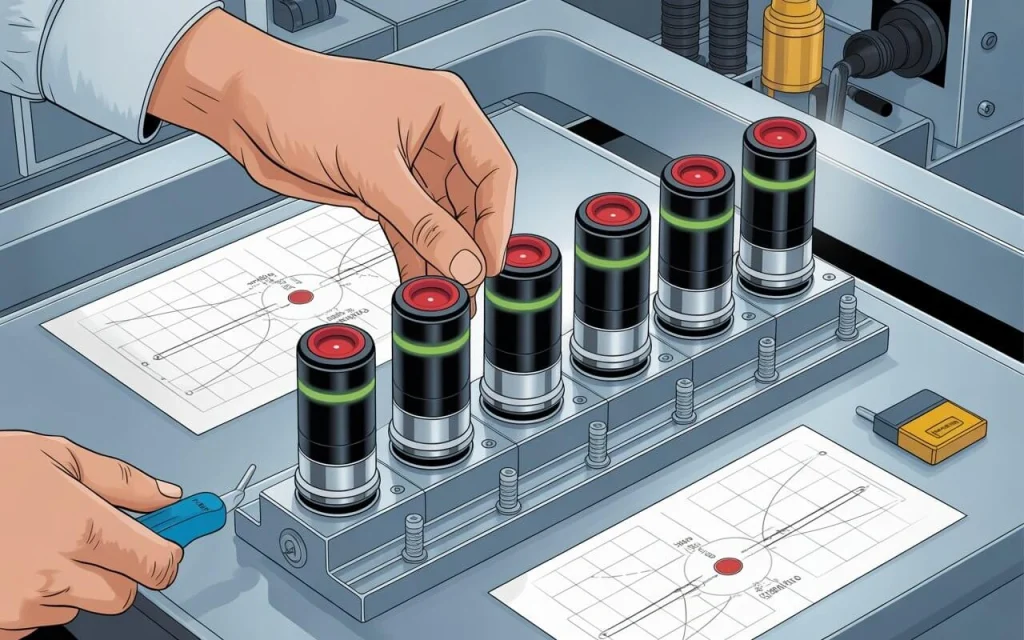
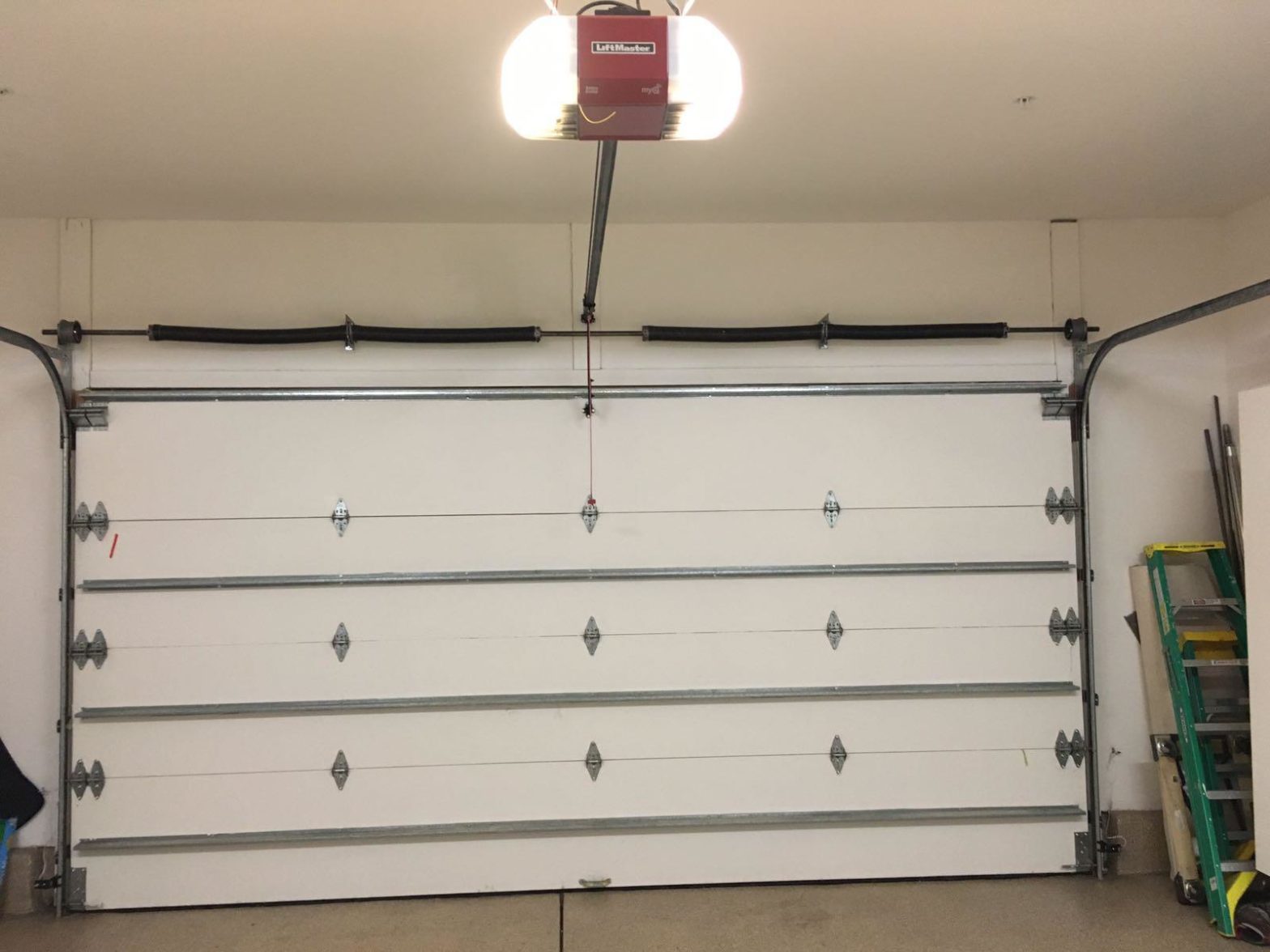
The motor unit powers the opener and controls the movement of the door. Connected to it is the trolley system, which moves along a rail to open and close the garage door. Limit switches are another critical component; they tell the opener when to stop moving the door in both directions. Many systems, including Genie openers, use limit screws to fine-tune this stopping point.Tension systems, chains, or belts also play a role by supporting the door’s weight and ensuring balanced movement. When any of these elements fall out of alignment, the opener may struggle or behave unpredictably.
Common Signs Your Garage Door Opener Needs Adjustment
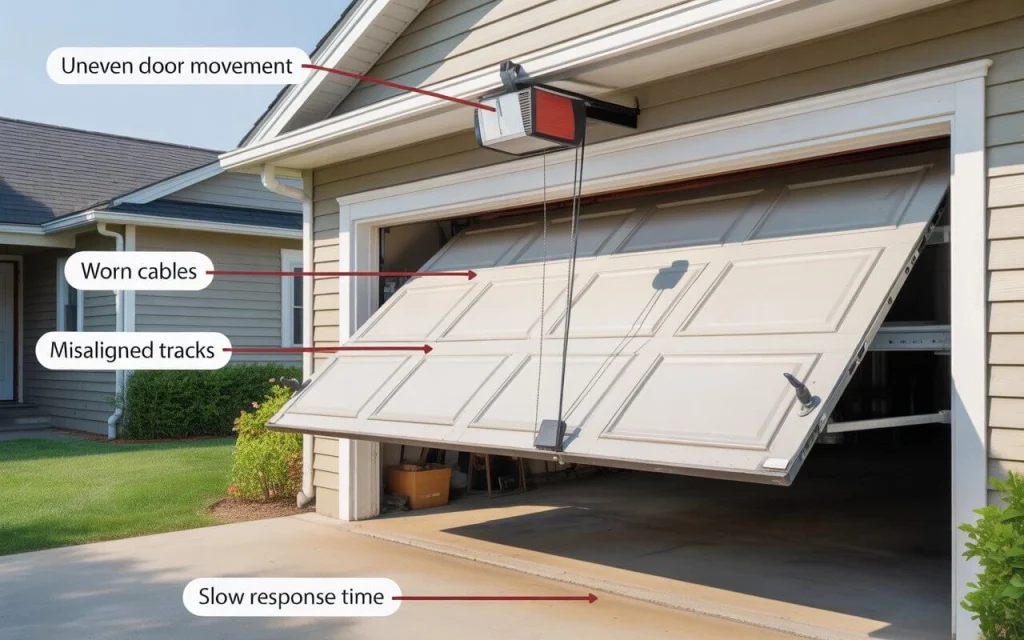
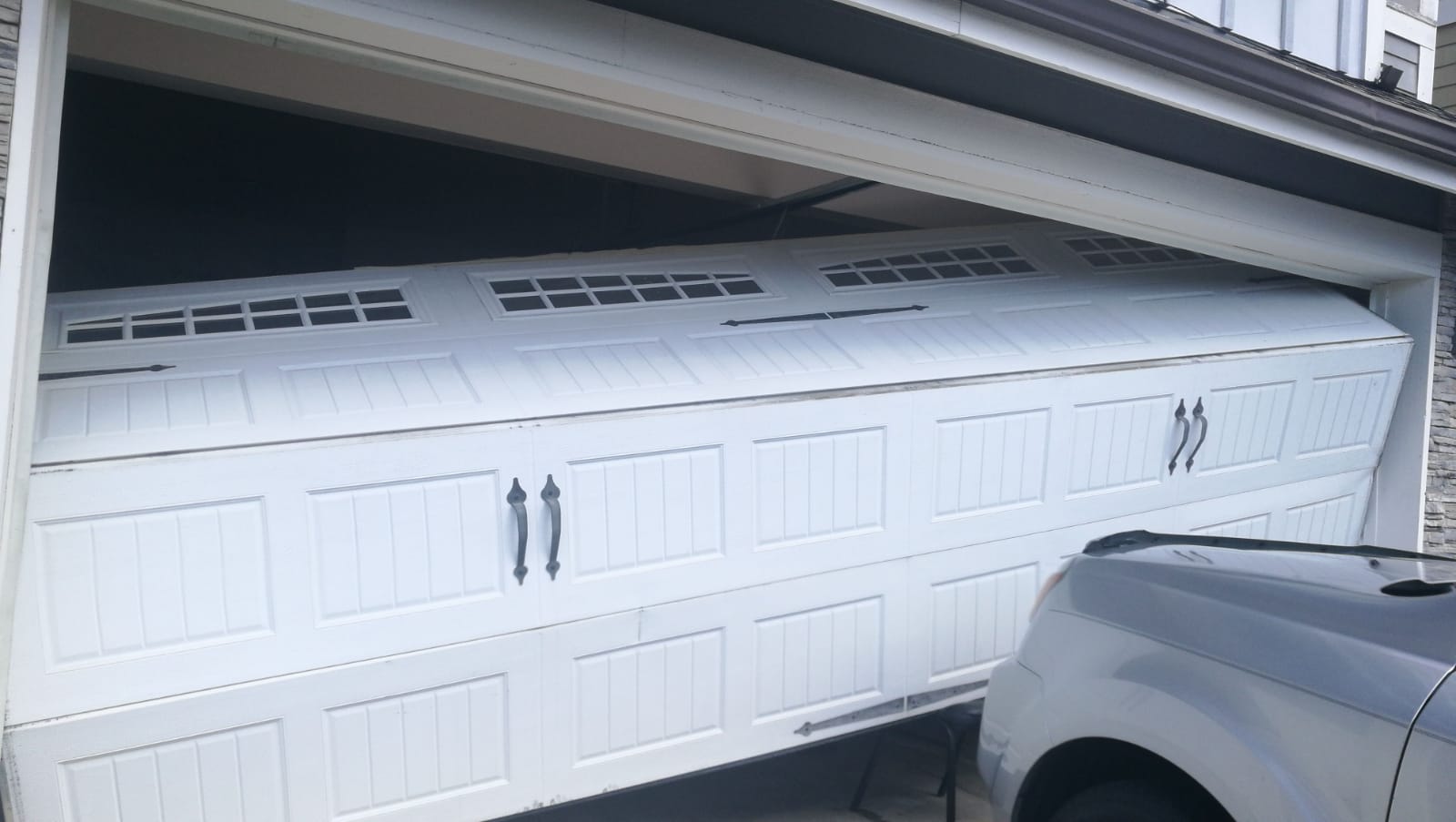
Knowing when to adjust a garage door opener can help you address issues early. Some of the most common signs include uneven door movement, excessive noise, the door reversing unexpectedly, or failure to fully open or close.If the garage door stops short of the floor or slams shut too hard, the limit settings may be incorrect. Grinding sounds or jerky motion often indicate improper tension. Ignoring these warning signs can lead to further mechanical stress and potential safety hazards.
Safety Precautions Before Making Adjustments
Safety should always come first when you adjust a garage door opener. Garage doors are heavy, and improper handling can cause injury or damage.Always disconnect the opener from power before making any mechanical changes. Keep your hands and tools away from moving parts, and never adjust springs unless you are professionally trained, as they are under extreme tension. Wearing safety gloves and eye protection is strongly recommended during the process.
Step-by-Step Guide to Adjusting the Garage Door Opener Limits
One of the most common reasons homeowners need to adjust a garage door opener is incorrect limit settings. These settings control how far the door travels when opening and closing.
Start by opening the garage door completely, then close it all the way. Locate the limit screws on the motor housing—usually labeled for “up” and “down” travel. Using a screwdriver, turn both screws clockwise until snug, ensuring the system resets to a neutral position.Next, slightly loosen the screws and test the door’s movement. Adjust gradually until the door opens fully without hitting the stop and closes evenly without slamming. Proper limit adjustment prevents motor strain and protects the door structure.
Adjusting the Opener Tension for Smooth Operation
Tension adjustment is another essential step when you adjust a garage door opener. Incorrect tension can cause the door to move too fast, too slow, or unevenly.
With the door fully open, disconnect the chain or belt from the trolley using a wrench. Locate the tension adjustment slot at the back of the opener unit. Turn the adjustment clockwise until you feel light resistance—this indicates balanced tension.Reattach the chain or belt and test the door. The door should move smoothly without shaking or hesitation. Proper tension ensures reliable operation while reducing wear on the motor and hardware.
Aligning Safety Sensors After Adjustment
Modern garage door systems rely on safety sensors to prevent accidents. After you adjust a garage door opener, sensor alignment should always be checked.
Sensors are typically located near the bottom of the door tracks. Make sure they face each other directly and are free of dust or obstructions. Misaligned sensors can cause the door to reverse unexpectedly or refuse to close.A steady indicator light on both sensors usually confirms correct alignment. This step is crucial for protecting children, pets, and vehicles.
Testing the Garage Door Opener After Adjustment
Once you adjust a garage door opener, thorough testing is essential. Reconnect the power and run the opener through several open-and-close cycles.Observe how smoothly the door moves, listen for unusual noises, and ensure it stops at the correct positions. Test the auto-reverse function by placing an object under the door to confirm it responds properly. Consistent performance during testing indicates that adjustments were successful.
Maintenance Tips to Prevent Frequent Adjustments
Regular maintenance can reduce how often you need to adjust a garage door opener. Lubricate moving parts such as rollers, hinges, and chains every few months. Inspect cables for wear and ensure mounting brackets remain secure.Cleaning the tracks and keeping sensors free of debris also helps maintain consistent performance. Small maintenance steps can significantly extend the life of your opener system.
When to Call a Professional Garage Door Technician
While many homeowners can safely adjust a garage door opener, some situations require professional expertise. If the opener continues to malfunction, the door feels unusually heavy, or spring-related issues are suspected, it’s best to contact a licensed garage door repair specialist.A professional technician can diagnose complex problems, make precise adjustments, and ensure the system meets safety standards—saving time and preventing potential injuries.
Final Thoughts on Garage Door Opener Adjustment
Learning how to adjust a garage door opener empowers homeowners to maintain safe and efficient garage door operation. By understanding the components, following proper adjustment steps, and prioritizing safety, you can keep your garage door system running smoothly for years.When in doubt, combining basic maintenance knowledge with professional assistance ensures optimal performance, security, and peace of mind.
FAQs
Can you adjust a garage door opener?
Yes, you can adjust a garage door opener by changing limits, force, or settings, but basic adjustments should follow the manufacturer’s guide.
What is the L and S adjustment on a door closer?
The L and S adjustment controls latch speed and sweep speed, helping the door close smoothly without slamming.
How do I reset the garage door opener?
To reset a garage door opener, unplug it for 30 seconds or press the reset/learn button as instructed by the manufacturer.
How to adjust the garage door to close completely with LiftMaster?
On LiftMaster garage door openers, adjust the down-limit screw slightly until the door closes fully without reversing.
Todd is an avid home blogger, with the goal of helping his readers find inspiration and ideas for their next project. He writes about everything from small design projects to large renovations. His goal is to help people transform their homes into something that reflects who they are.