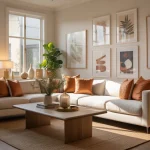
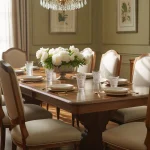
Modern home decor has become one of the most loved design approaches for homeowners wanting cleaner, brighter, and more functional living spaces. Whether you want to refresh a single room or give your entire home a modern upgrade, this style offers endless flexibility. Its appeal lies in the perfect balance of comfort and simplicity—creating spaces that feel warm, organized, stylish, and practical.
As someone who works with small home gardens and compact living areas, I’ve found that modern design makes homes feel more open and visually balanced, even when space is limited. When done right, modern decor can completely transform not just how your space looks, but also how it feels. In this guide, you’ll discover useful ideas, room-by-room strategies, and real-life examples to help you confidently and creatively incorporate this style.
Content
Why Modern Home Decor Works for Every Size Home
One of the biggest misconceptions about modern home decor is that it only suits large homes or open-plan layouts. In reality, this design approach works exceptionally well for small spaces. Many people now specifically search for modern home decor ideas for small spaces because the clean lines, functional furniture, and uncluttered aesthetic make compact rooms feel larger. Modern Furniture design also encourages intentional choices—every piece should bring value, serve a purpose, or add visual interest.
Key characteristics of modern decor include:
Minimalist designs without unnecessary clutter
Neutral foundations with room for bold accents
Functional, compact furniture
A mix of natural textures and sustainable materials
This approach creates a space that feels refreshing without sacrificing comfort.
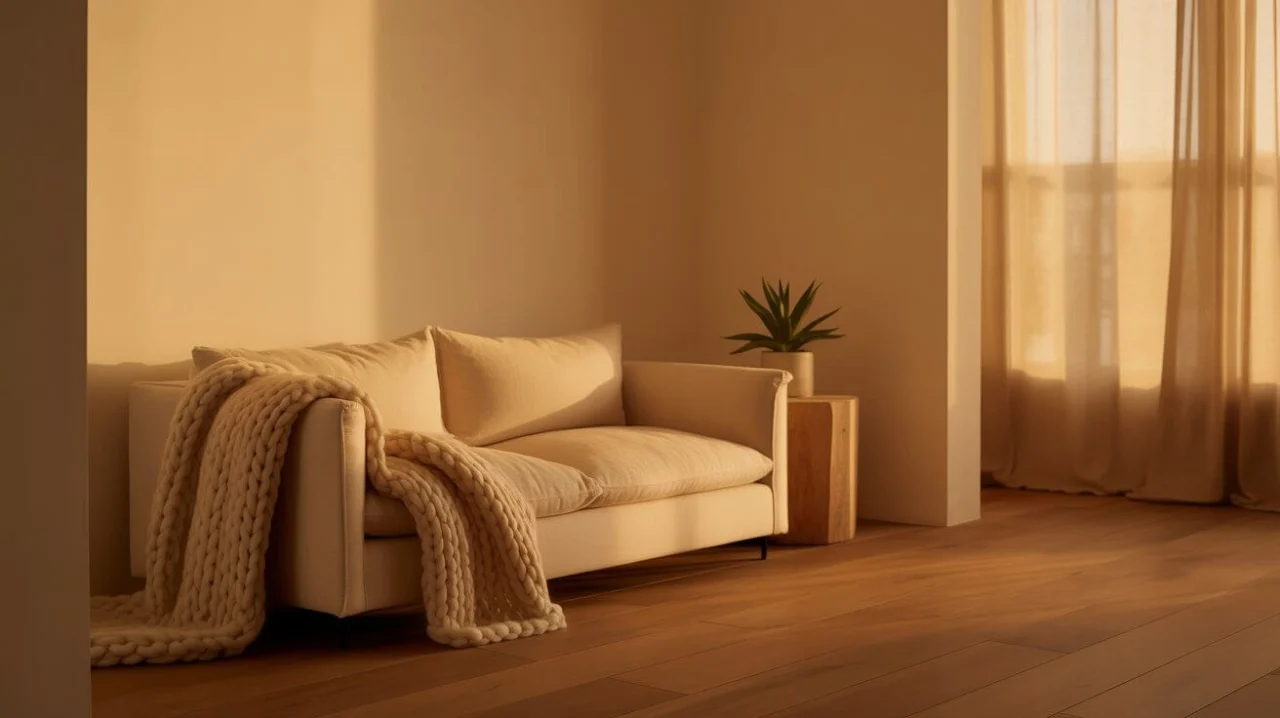
Minimalism That Feels Warm, Not Empty
Minimalism is one of the core principles of modern home styling, but it often gets misunderstood. It doesn’t mean removing everything—it means removing what doesn’t support the room’s purpose.
A comfortable minimalist style includes:
Simple furniture with clean lines
A neutral color base (whites, greys, tans)
Soft textures like wool throws, cotton cushions, or woven baskets
Warm lighting to make the space feel inviting
Many homeowners worry that minimalist design looks “too plain,” but when you add natural textures, houseplants, or wooden accents, the look becomes modern and cozy.In my work with indoor garden setups, I’ve found that even a single plant—like a snake plant or fiddle leaf fig—can complete a modern living room aesthetic.
Eco-Friendly Materials That Elevate the Space
Modern decor trends are shifting toward sustainable and eco-friendly materials. Not only do they look stunning, but they also add depth and authenticity to a home.
Consider incorporating materials like:
Bamboo furniture
Recycled wood shelves
Organic cotton fabrics
Cork décor elements
Clay vases or natural stone pieces
These additions support sustainability while bringing natural beauty into the room. This shift aligns perfectly with the rising preference for environmentally conscious interiors across modern home decor trends.
Adding Bold Colors and Patterns the Modern Way
Even though modern decor often features neutral tones, bold colors can still play a powerful role. The key is balance.
You can add boldness with:
A single statement wall
Patterned throw pillows
A geometric rug
Stylish art pieces
Accent furniture like a bold armchair
Bold colors introduce personality without overwhelming the room. Many beginners use this approach when exploring modern home decorating ideas for beginners, because it gives instant impact with minimal effort.If you’re unsure where to start, choose one main color and add it in two or three places throughout the room. This creates visual harmony while keeping the modern look intact.
Functional Furniture That Saves Space
Modern home decor loves furniture that works smarter, not harder. Whether you live in a large home or a compact apartment, functional furniture is one of the easiest ways to upgrade your space.
Some popular options include:
Storage ottomans
Floating shelves
Multi-purpose coffee tables
Slimline console tables
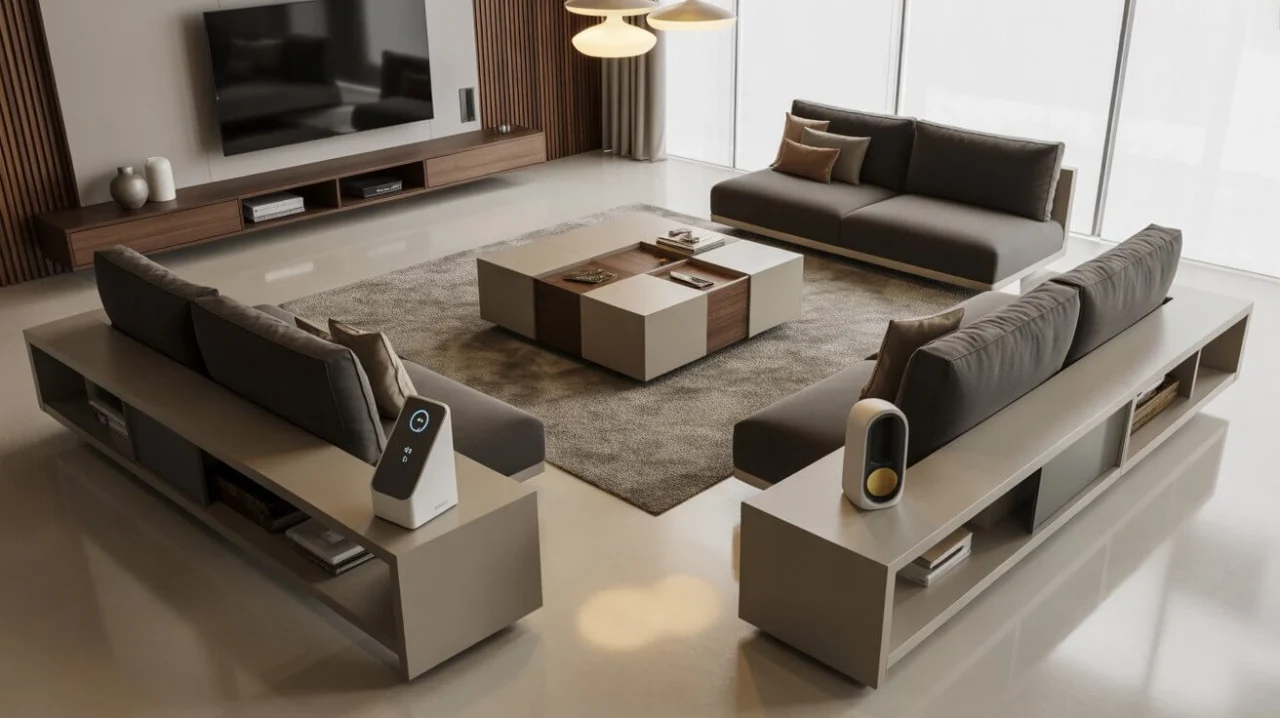
Modular sofas
A simple example from one of my own small-home projects:
A family wanted a modern living room without losing space for their two kids to play. By switching to a modular sofa with hidden storage and adding two floating wall shelves, we opened up almost 40% more floor area. The room instantly felt bigger and cleaner without sacrificing comfort.
Mix-and-Match Styling for a Balanced Modern Look
One creative aspect of modern design is the freedom to blend different materials and styles. As long as the overall theme stays cohesive, mixing can bring your decor to life.
Try combinations like:
Metal + wood
Matte black fixtures + warm beige furniture
Natural textures + glass elements
Minimalist pieces + bold art
This “mix and match” approach keeps the room feeling current and adds character without clutter.
Lighting: The Secret Hero of Modern Spaces
Lighting is often the most underestimated design element, yet it can transform the mood of a room instantly.
Modern lighting ideas include:
Soft LED strip lighting under cabinets
Floor lamps with geometric frames
Slim pendant lights above dining areas
Wall-mounted lights to open up space
Natural light maximization through mirrors
Use lighting to highlight key areas or create a cozy atmosphere in the evenings. The right lighting is essential in making modern home decor feel warm instead of sharp or cold.
Case Study: A Small Garden Home Turned Modern Oasis
One of my favorite transformations involved a compact home with an attached mini garden. The homeowner wanted both the indoor and outdoor areas to feel connected and modern.
Here’s the strategy we used:
1. Neutral Base Indoors
We started with soft beige walls, light grey sofas, and white shelving to create a clean, modern foundation.
2. Indoor–Outdoor Flow
We replaced the old wooden door with a slim-framed glass door, instantly connecting the living room to the garden. This let in natural light and enhanced the modern vibe.
3. Minimalist Garden Design
Outside, we incorporated:
Concrete planters
A narrow vertical garden
Compact seating with weather-resistant fabric
The garden visually extended the living room, making the home feel larger.
4. Functional Additions
We added a small floating console inside, giving the homeowner more storage without occupying floor space.
5. Pops of Color
Matching green cushions inside and bright ceramic pots outside tied both spaces together.
Result:
The home felt twice as spacious, more modern, and much more welcoming. This case study shows how modern home decor can be adapted even for homes with tight layouts or small garden extensions.
Affordable Modern Home Decor Tips
Modern decor does not require a huge budget. Here are easy ways to update your home for less:
Repaint walls with light and neutral shades
Replace old hardware with sleek metal handles
Add one or two statement pieces
Use mirrors to amplify natural light
Upgrade cushions, rugs, and curtains
Incorporate houseplants for freshness
Many homeowners who want affordable modern home decor tips find that small changes often deliver the biggest visual improvements.
Final Thoughts
Modern home decor is more than just a design trend—it’s a lifestyle shift that makes your space feel cleaner, brighter, and more enjoyable. Whether you’re exploring modern home decor ideas for small spaces or want a complete home refresh, the principles stay the same: choose simplicity, embrace function, add personality through accents, and be intentional with every piece. With a blend of practical furniture, balanced colors, eco-friendly materials, and thoughtful door design, your home can become the modern sanctuary you’ve always wanted.
FAQs
What is the 80/20 rule in decorating?
80% of a room should stay neutral or simple, while 20% is for bold accents, color, or statement pieces.
How many walls should be decorated in a room?
Usually 1–2 walls are enough—one feature wall and one supporting wall to keep the room balanced.
What is the correct sequence to decorate a room?
Start with layout, choose a color palette, select furniture, then add lighting, decor, and final accents.
What are the 7 main principles of design?
Balance, contrast, rhythm, scale, harmony, emphasis, and movement.
What is the 3 color rule?
Use one main color, one secondary color, and one accent color for a balanced and modern look.