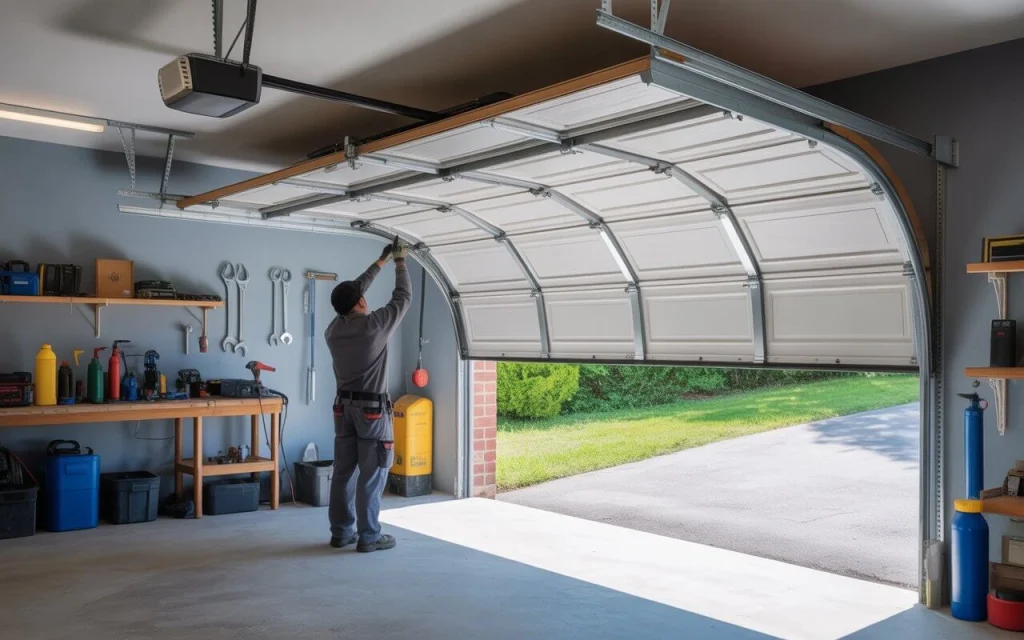
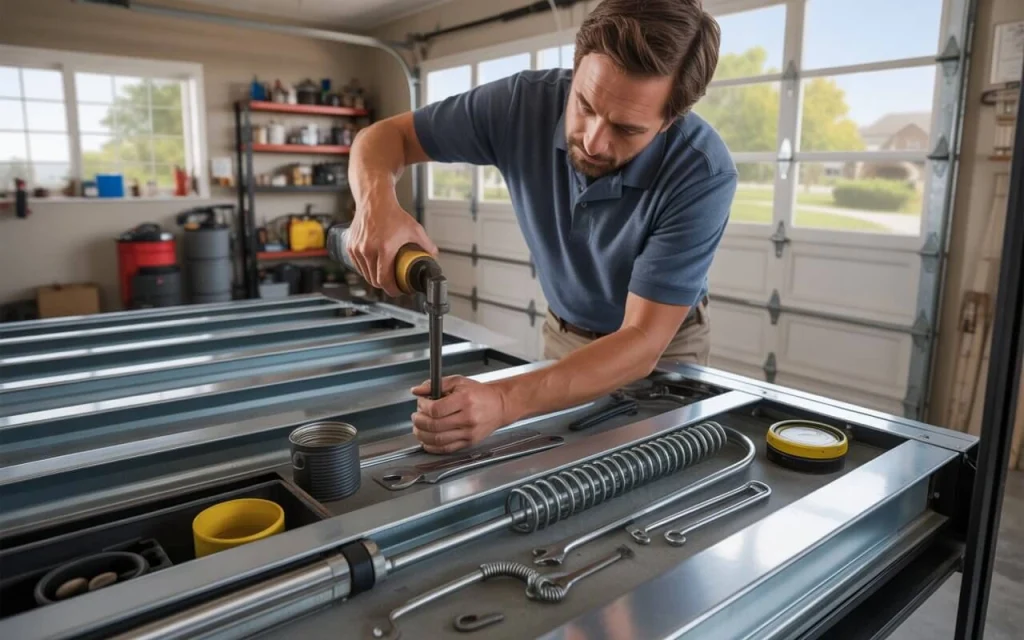
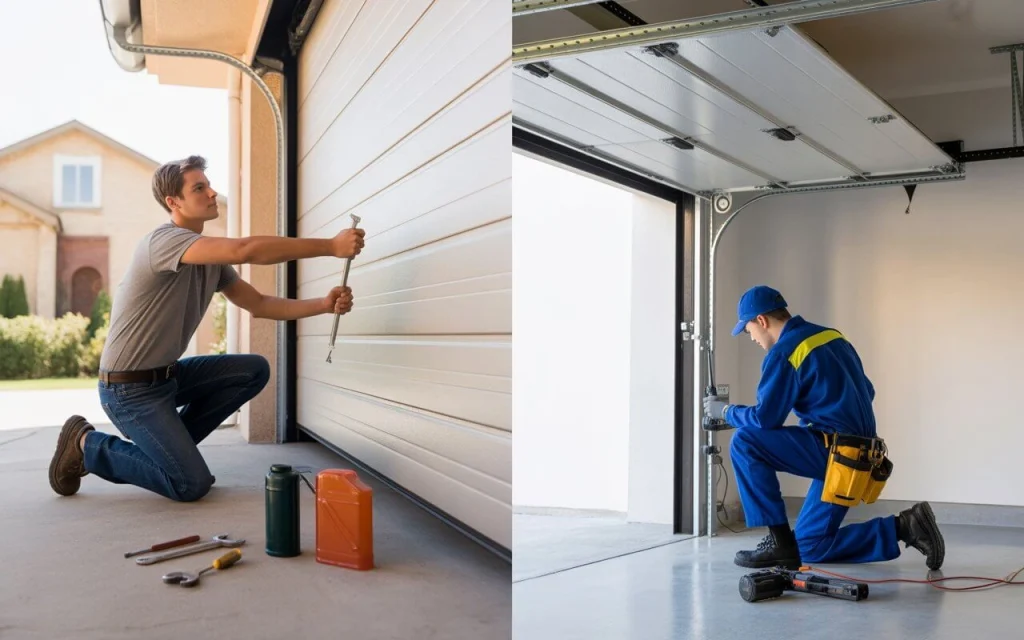
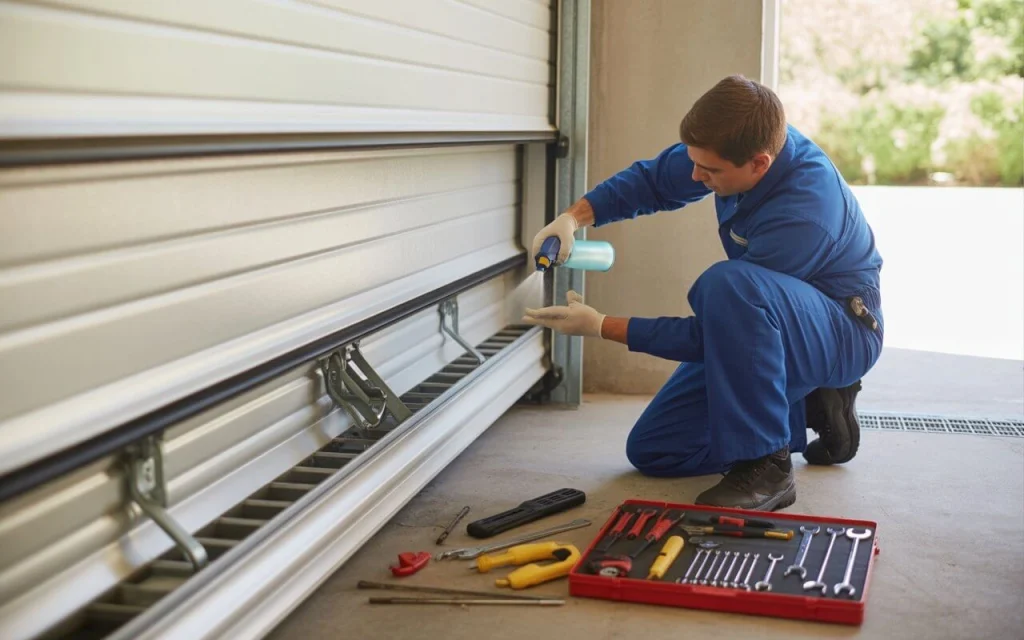
When it comes to home upkeep, many homeowners focus on visible areas like the roof, HVAC systems, or landscaping, often overlooking one of the most important entry points—the garage door. Yet, your garage door is more than just a large entryway; it is a critical element of your home’s security, energy efficiency, and overall functionality. Investing time and effort into garage door maintenance can save you significant money, prevent accidents, and extend the life of your door.
Content
Why Garage Door Maintenance Matters
Your garage door is subjected to daily use, harsh weather conditions, and mechanical stress. Without proper maintenance, minor issues can quickly escalate into expensive repairs or even pose safety hazards. Here’s why regular garage door maintenance is essential:
Security: A malfunctioning or weak garage door can be an easy entry point for intruders. Maintaining the door ensures that locks, sensors, and openers function properly, keeping your home secure.
Safety: Garage doors weigh hundreds of pounds. Springs or cables under tension can snap if not inspected regularly, causing injuries or property damage. Garage door maintenance minimizes such risks.
Longevity: Regular maintenance prevents premature wear and tear, ensuring that your garage door operates smoothly for years.
Energy Efficiency: A properly maintained door seals tightly, reducing drafts and helping maintain indoor temperatures, which can save on energy bills.
How Often Should You Perform Garage Door Maintenance?
The frequency of garage door maintenance depends on usage and environmental factors. Heavy-use doors in extreme climates may need attention more frequently. A good rule of thumb is:
Light to moderate use: Inspect every 6 months.
Heavy use or harsh weather: Inspect every 2-3 months.
During each inspection, focus on the door’s operation, listen for unusual noises, and check that it opens and closes smoothly and evenly. If anything seems off, it’s better to call a professional immediately rather than risk a breakdown or safety issue.
Key Components to Inspect and Maintain
Proper garage door maintenance involves more than just visual checks. Here are the crucial areas to focus on:
Hardware Tightening
Over time, vibrations can loosen nuts, bolts, and screws. Regularly check and tighten all hardware to prevent misalignment or rattling.
Lubrication of Moving Parts
Rollers, pulleys, hinges, and springs should be lubricated to reduce friction and noise. Use a high-quality garage door lubricant instead of household oils, which can attract dust.
Chain or Belt Tension
If your garage door uses a chain or belt drive, ensure it is properly tensioned. Loose or overly tight chains can cause uneven operation and damage the opener.
Spring Alignment
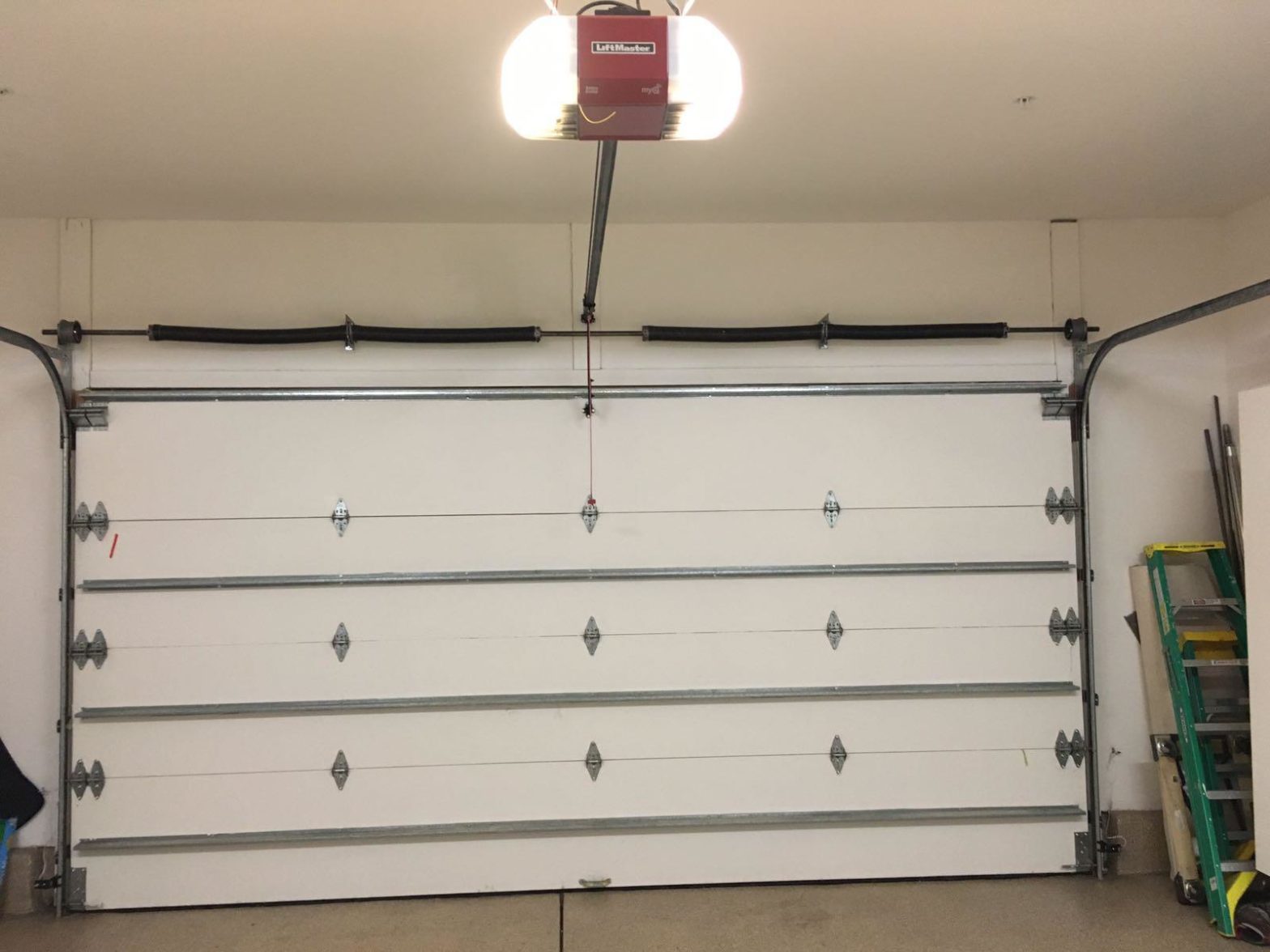
Torsion and extension springs are vital for smooth door operation. Inspect for wear or stretching and align them properly. Never attempt to replace springs yourself—call a professional for this task.
Opener Alignment and Limit Switches
The garage door opener should be calibrated so that the door opens and closes fully without strain. Check and adjust the limit switches if needed to prevent damage.
Track Cleaning and Alignment
Debris in the tracks can prevent smooth operation. Clear dirt and check that tracks are properly aligned to avoid binding or uneven movement.
Door Surface Cleaning
Wipe down the exterior and interior of the door to remove dirt, grime, and rust. Clean doors not only look better but also resist corrosion longer.
Safety Sensors
Modern garage doors have sensors that prevent closing if something is in the way. Test these sensors monthly to ensure they work properly.
DIY vs. Professional Garage Door Maintenance
Some tasks, like cleaning, lubricating, or tightening loose hardware, can be safely handled by homeowners. However, certain components—especially springs, cables, and openers—require professional expertise. Attempting to repair these yourself can lead to serious injuries or further damage. A licensed garage door repair service can perform comprehensive maintenance safely and efficiently.
Signs You Need Immediate Garage Door Maintenance
Even with regular inspections, you should be aware of warning signs that indicate your door needs attention:
Excessive noise during operation
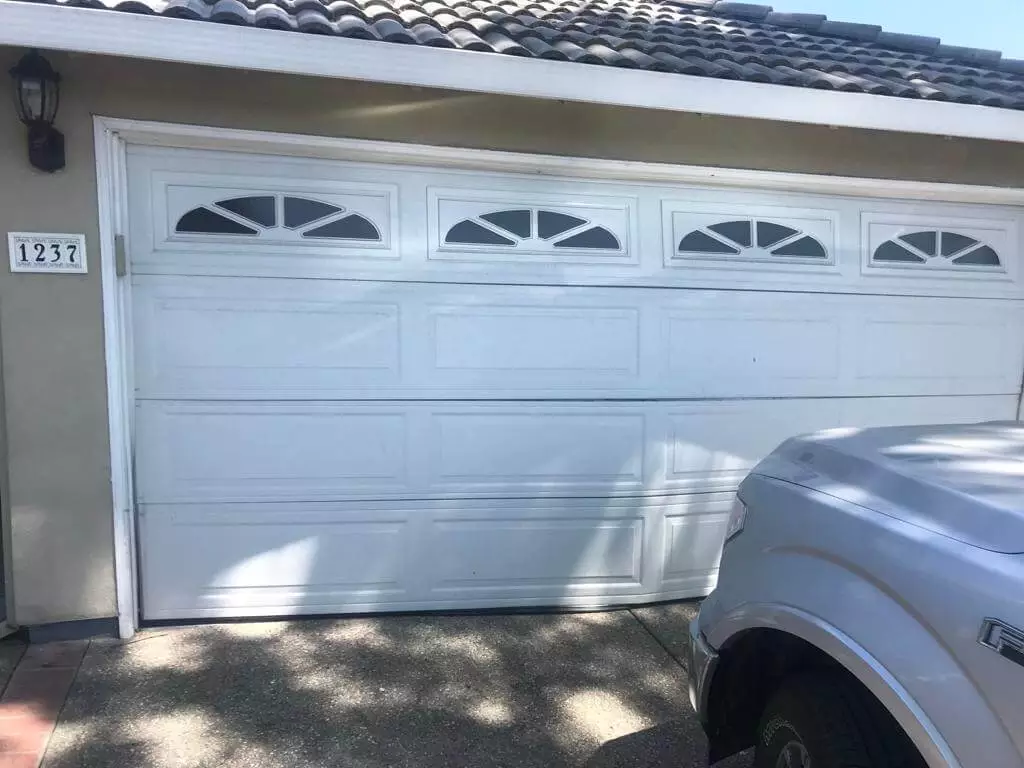
Uneven movement or sagging
Door reverses before fully closing
Broken or frayed cables
Rust or corrosion on metal parts
Ignoring these signs can lead to costly repairs or a complete door replacement. Scheduling timely garage door maintenance prevents emergencies and ensures your door functions optimally.
Enhancing Security Alongside Maintenance
While proper maintenance keeps your garage door mechanically sound, it’s also wise to consider additional security measures. Installing surveillance cameras, motion sensors, or smart garage door openers can provide extra protection. Services like NSI CCTV Installation can enhance your home security, deterring potential intruders and complementing your garage door maintenance efforts.
If your garage is temporarily out of service due to repairs, using a secure vehicle storage facility can protect your car until the door is fixed.
Personalizing Your Garage Door
Once your garage door is functioning smoothly and safely, you may consider aesthetic upgrades. Options like custom colors, insulated panels, or decorative hardware can improve your home’s curb appeal while maintaining functionality. A well-maintained and visually appealing door adds value and style to your property.
The Benefits of Regular Garage Door Maintenance
By making garage door maintenance a routine part of your home care checklist, you gain numerous benefits:
Reduced repair costs
Extended lifespan of the door and opener
Enhanced safety for your family
Improved energy efficiency
Smoother and quieter operation
Increased property value
Investing time in preventive maintenance is far more cost-effective than facing emergency repairs or a full door replacement.
Conclusion:
A garage door is more than a simple entryway—it is a crucial part of your home’s security, safety, and efficiency. Regular garage door maintenance ensures that your door operates reliably, reduces risks, and prolongs its lifespan. Whether performing basic inspections yourself or hiring a professional for detailed service, scheduling consistent maintenance is a smart and practical decision for any homeowner.
Remember, minor issues addressed early prevent major problems later. Keep your garage door in top shape, enhance your home’s safety with additional security measures, and enjoy peace of mind knowing your property is protected.
FAQs
What maintenance is required for garage doors?
Regular garage door maintenance includes inspecting, tightening hardware, lubricating parts, and clearing tracks.
How do you maintain your garage door?
Maintain your garage door by checking springs, rollers, sensors, cleaning surfaces, and scheduling professional inspections.
How often do you need to lubricate a garage door?
Lubricate your garage door every 6 months or sooner if it makes noise or moves unevenly.
What is the best thing to lubricate a garage door with?
Use a silicone-based or lithium garage door lubricant on rollers, hinges, springs, and tracks for smooth operation.
Todd is an avid home blogger, with the goal of helping his readers find inspiration and ideas for their next project. He writes about everything from small design projects to large renovations. His goal is to help people transform their homes into something that reflects who they are.