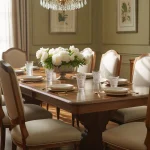
Transitional home décor is defined by its seamless blending of traditional elegance with modern simplicity. It’s a design philosophy that appeals to homeowners seeking comfort without clutter, sophistication without excess, and style without temporary trends. The transitional style approach favors timelessness, offering interiors that feel curated yet effortless.
Content
The Meaning Behind Transitional home décor Style
This section introduces the reader to the core concept of transitional home décor. It explains how the style bridges the gap between classic and contemporary design, creating spaces that feel familiar yet fresh. By covering its defining characteristics—such as neutral palettes, refined furniture, and clean lines—it gives the reader a foundational understanding of what transitional décor is and why it appeals to a wide audience.
Why Transitional Home Décor Stands the Test of Time
This part explains the long-lasting appeal of transitional style. It highlights how the style avoids being too trendy or too old-fashioned, making it ideal for homeowners who want a space that evolves gracefully. The focus is on its adaptability, ease of updates, and how it provides a cohesive look that doesn’t feel forced or themed.
Creating a Transitional Living Room That Invites and Impresses
Here, the reader gets room-specific guidance starting with the transitional living room. This section discusses how to choose foundational furniture—such as sofas with soft curves or neutral-toned sectionals—and how to style the space using layered textures and mixed materials. Lighting, textiles, and decorative elements are also covered to help create a room that’s both functional and refined.
Designing a Transitional Bedroom That Feels Calm and Elegant
This section is dedicated to bedroom styling and focuses on creating a tranquil, polished atmosphere. It explains how to use symmetry, muted colors, and soft textures to evoke relaxation. Furniture like tufted headboards, simple nightstands, and upholstered benches are highlighted, along with lighting choices that add warmth without excess ornamentation.
Refining the Dining Room with Transitional Balance
This part covers the dining room and explains how transitional style applies to communal spaces. It talks about mixing traditional wood tables with modern chairs and using subtle lighting—like lantern pendants or minimalist chandeliers—to anchor the design. It also suggests centerpieces and accessories that create depth without visual overload.
Applying Transitional Style in Smaller Homes or on a Budget
Not every reader has a large home or unlimited resources, so this section is crucial. It offers practical advice for implementing transitional décor in compact spaces or with limited budgets. Suggestions include using multipurpose furniture, repainting in neutral colors, replacing hardware, and incorporating budget-friendly fabrics or accessories that still align with the style’s principles.
Maintaining Flow and Consistency Throughout the Home
This section emphasizes the importance of cohesion when using transitional style across multiple rooms. It guides the reader on how to repeat materials, colors, and shapes in a way that feels natural. The goal is to help homeowners avoid visual disconnect and instead create a sense of unity that ties the entire interior together.
Final Design Insights to Inspire Action
Transitional home décor delivers lasting value by blending visual charm with everyday functionality. Its adaptable design seamlessly aligns with evolving trends and individual tastes, making it a smart choice for enduring style. Serving as a guide to timeless elegance, this approach emphasizes a well-balanced color scheme that adds both warmth and refinement. Whether updating a single room or designing an entire home, transitional interiors offer the clarity, calm, and sophistication today’s homeowners seek.
FAQs
What is transitional home décor?
Transitional home décor blends traditional and modern design elements to create balanced, timeless interiors with clean lines, neutral colors, and subtle elegance.
Is transitional décor still in style?
Yes, transitional décor remains highly popular due to its timeless appeal, adaptability, and ability to suit a wide range of spaces and tastes.
What is a timeless home décor style?
A timeless home décor style avoids trends and focuses on classic design elements, neutral palettes, quality materials, and enduring functionality—like transitional, traditional, or minimalist styles.
What are the colors for transitional style?
Transitional style typically uses soft, neutral colors such as beige, taupe, greige, ivory, soft white, charcoal, and muted earth tones to create a warm, balanced look.