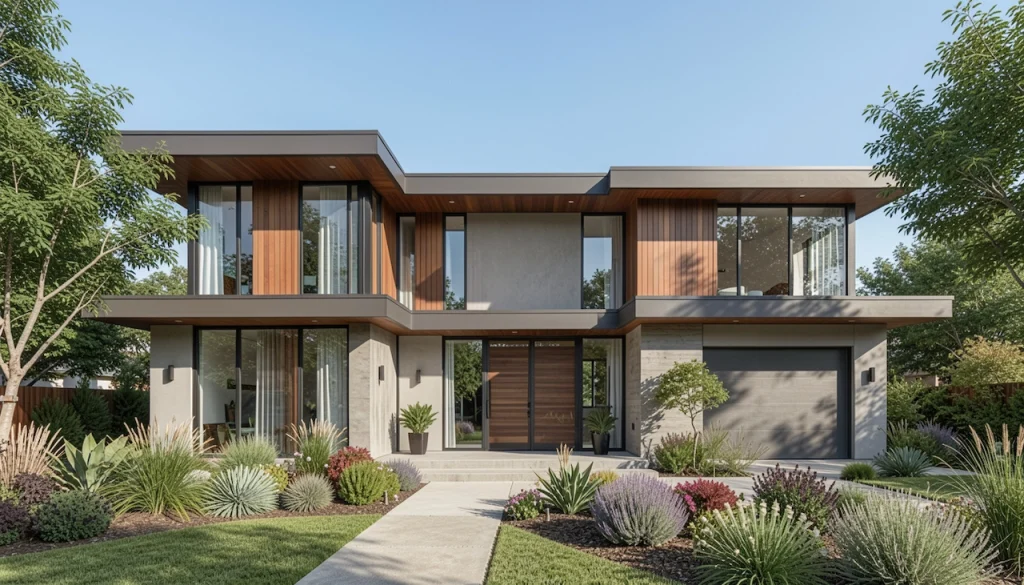
A Whole home remodel is one of the most powerful ways to completely transform how a house looks, feels, and functions. Whether the goal is better space usage, improved comfort, or increasing property value, a well-planned remodel can turn an outdated home into a modern, efficient living space.
As someone who has worked on multiple home transformation projects—especially homes with small outdoor garden areas—I’ve seen how a smart renovation can completely change not just interiors, but also how people interact with their entire property. A home isn’t just walls and rooms; it’s a lifestyle system.
Content
What Is a Whole Home Remodel?
A whole home remodel refers to a complete transformation of a residential property. It often includes both structural and aesthetic updates such as flooring, layout changes, kitchen upgrades, bathroom renovations, and sometimes even exterior improvements.
Unlike a simple renovation, a home renovation project at this scale usually involves major planning and coordination. It can include structural home changes like removing walls, expanding rooms, or redesigning the entire floor layout.
In many cases, homeowners choose a remodel when their house no longer fits their lifestyle or when they want to improve long-term property value without moving to a new location.
Why Homeowners Choose a Whole Home Remodel
There are several reasons why people invest in a full transformation:
Outdated layouts that don’t support modern living
Lack of storage or functional space
Desire for energy efficiency upgrades
Increasing property value before selling
Improving indoor-outdoor connection (especially for garden-facing homes)
From my experience working with small backyard and garden-focused homes, many clients don’t just want indoor upgrades—they want their indoor space to flow naturally into outdoor areas. This is where thoughtful remodeling makes a big difference.
Planning a Whole Home Remodel the Right Way
A successful remodel starts long before construction begins. Proper home improvement planning is the foundation of a smooth project.
Setting Clear Goals
Before anything else, decide what you want:
More open space?
Modern kitchen design?
Better lighting?
Improved garden access?
Budget Planning
Understanding costs early helps avoid surprises. Many homeowners research the average cost of full house renovation before starting.
Hiring the Right Professionals
Working with experienced remodeling contractors is essential. They help manage design, permits, and construction efficiently.
Permits and Legal Requirements
Depending on your area, permits may be required for electrical, plumbing, or structural work.A well-planned approach reduces delays and ensures your full house renovation stays on track.
Whole Home Remodel Cost Breakdown
One of the most common concerns is cost. The truth is, prices vary widely depending on materials, labor, and location.A typical whole home remodel cost breakdown per square foot may include:
Basic remodel: lower-cost materials and minimal layout changes
Mid-range remodel: balanced upgrades and partial structural work
Luxury remodel: high-end finishes and complete redesign
Major cost factors include:
Size of the house
Quality of materials
Complexity of structural home changes
Labor charges
Custom design features
Understanding these elements helps homeowners prepare a realistic budget for their home renovation project.
Step-by-Step Whole Home Remodel Process
A structured process ensures smooth execution from start to finish.
1. Planning and Design Phase
This is where ideas are converted into drawings and layouts. Architects and designers help finalize the vision.
2. Demolition Stage
Old materials, walls, or outdated fixtures are removed. This phase often reveals hidden issues like plumbing or wiring problems.
3. Construction Phase
New structural work begins. This includes framing, electrical systems, plumbing, and flooring installation.
4. Interior Finishing
Walls, paint, cabinetry, and lighting are completed. This is where the home starts to take its final shape.
5. Final Inspection and Touch-Ups
Everything is reviewed to ensure quality and safety standards are met.
Following a structured step-by-step guide to a complete home renovation helps homeowners stay organized and stress-free throughout the entire process.
Best Design Ideas for Whole Home Remodel
Design plays a major role in making a home feel modern and functional.
Open Concept Living
Removing unnecessary walls creates a larger and brighter living area.
Modern Kitchen Upgrades
The kitchen is often the heart of a remodel, featuring:
Smart storage systems
Energy-efficient appliances
Functional layouts
Bathroom Transformations
Walk-in showers, modern tiles, and improved lighting can significantly enhance comfort.
Indoor-Outdoor Flow (Garden Integration)
As a small home gardens expert, I often recommend connecting indoor spaces with outdoor gardens. Even a small patio redesign can dramatically improve lifestyle quality.
Energy Efficiency Improvements
Adding insulation, LED lighting, and solar options reduces long-term costs.
Common Mistakes to Avoid in Whole Home Remodel
Many homeowners face issues due to avoidable mistakes:
Poor budgeting and underestimating costs
Hiring inexperienced contractors
Ignoring permits and regulations
Changing designs mid-project
Not planning for hidden repairs
Using a whole home remodel checklist for homeowners can help prevent most of these issues before they occur.
Real-Life Case Study: A Small Garden Home Transformation
One of my recent projects involved a 1,600 sq. ft. home with a small backyard garden that was barely used.
The Problem
The home felt closed off, with narrow hallways and a disconnected kitchen. The garden was isolated and unused.
The Solution
We implemented a full home improvement planning strategy:
Removed non-structural walls to open the living area
Installed large sliding glass doors facing the garden
Redesigned the kitchen with an open layout
Created a small outdoor seating space connected to the living room
The Result
The transformation was remarkable:
Natural light increased significantly
The garden became a daily relaxation space
The home felt 40% larger without increasing square footage
Property value increased noticeably after renovation
This project proved that a well-planned full house renovation is not just about structure—it’s about lifestyle enhancement.
Is a Whole Home Remodel Worth It?
A whole home remodel is a major investment, but it offers long-term benefits:
Higher property value
Better energy efficiency
Improved lifestyle and comfort
Modern and functional living spaces
When done correctly, even older homes can feel brand new again. The key is planning, budgeting, and working with the right professionals.
Final Thoughts
A Whole home remodel is more than a construction project—it is a complete lifestyle upgrade. Whether you’re improving outdated interiors, redesigning your outdoor garden connection, or creating an entertainment area with a stylish Outdoor tv stand, the transformation can be life-changing when planned properly.
With the right approach, clear vision, and expert execution, your home can evolve into a space that truly supports your daily life, comfort, and long-term goals. Thoughtful additions like an Outdoor tv stand can also enhance the functionality and enjoyment of your outdoor living space while increasing your home’s overall appeal.
FAQs
What does a full remodel include?
A full remodel includes structural changes, layout updates, flooring, kitchen, bathroom upgrades, and full interior redesign.
What are the four types of remodeling?
The four types include interior remodeling, exterior remodeling, structural remodeling, and functional space upgrades.
What is the cheapest way to remodel a house?
The cheapest way is to focus on cosmetic updates like paint, lighting, fixtures, and refinishing instead of structural changes.
What is the most expensive part of a house to renovate?
Kitchens and bathrooms are usually the most expensive due to plumbing, electrical work, and high-cost materials.
What is the correct order to renovate a house?
The correct order is planning, demolition, structural work, utilities installation, finishing, and final inspection.