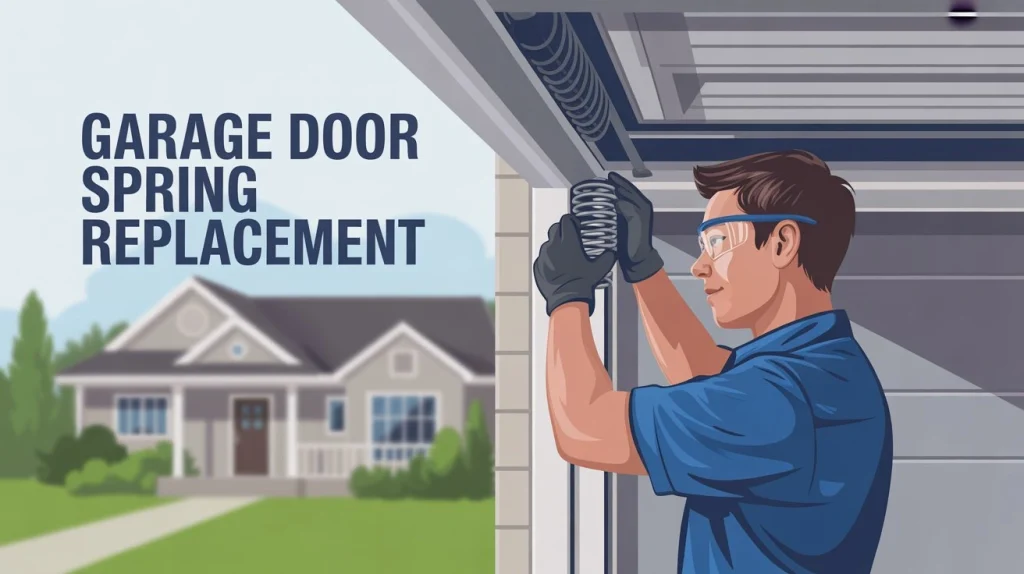
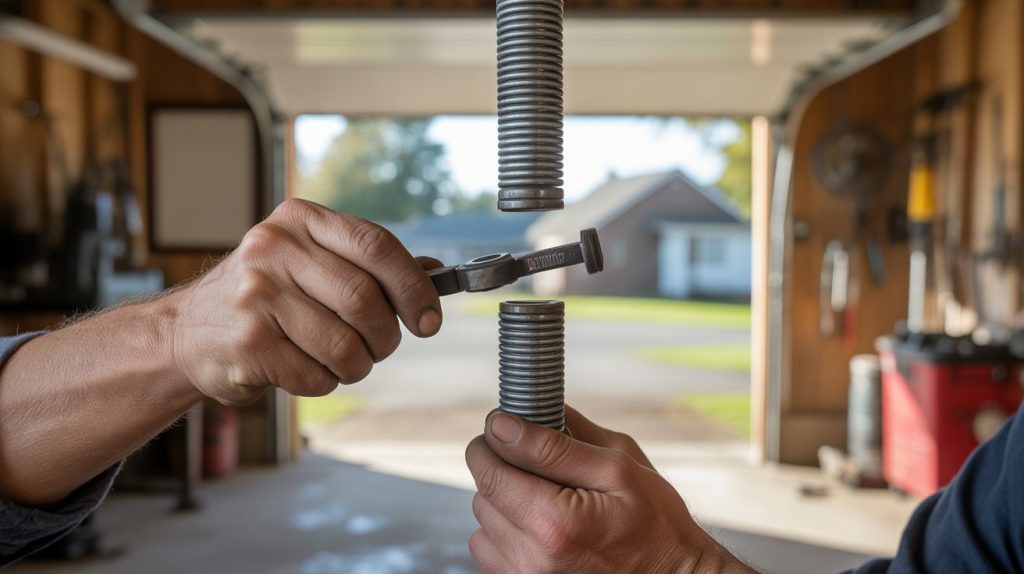
Garage door springs are the essential components that counterbalance the door’s weight, making it possible to lift with minimal effort. Without functional springs, even a well-maintained door becomes heavy, difficult to move, and potentially dangerous. Understanding their purpose helps homeowners recognize why timely garage door spring replacement is so important.
Content
How Garage Door Spring Replacement Works
Most garage doors rely on either torsion springs or extension springs, both of which play a vital role in smooth operation. Torsion springs, positioned above the door, use rotational force to lift it with ease, while extension springs, mounted on each side, stretch and contract to provide the needed lifting power. Since both spring types are under high tension, garage door spring replacement requires proper installation and careful handling to ensure safety and long-term performance.
Common Causes of Spring Damage
Garage door springs naturally wear out over time due to frequent use, and factors like temperature changes, rust, poor maintenance, or incorrect spring size can reduce their lifespan. In high-humidity climates, corrosion develops faster, often leading to premature breakage. Understanding these issues allows homeowners to take preventive measures and schedule timely garage door spring replacement before sudden failures occur.
Signs That a Garage Door Spring Needs Replacement
When a spring begins to fail, the garage door may move unevenly, stop midway, or refuse to open entirely. A visible gap in the coil of a torsion spring is a clear indicator of breakage. You might also hear a loud snap when the spring breaks. Difficulty in manually lifting the door is another strong sign that the spring has lost its tension.
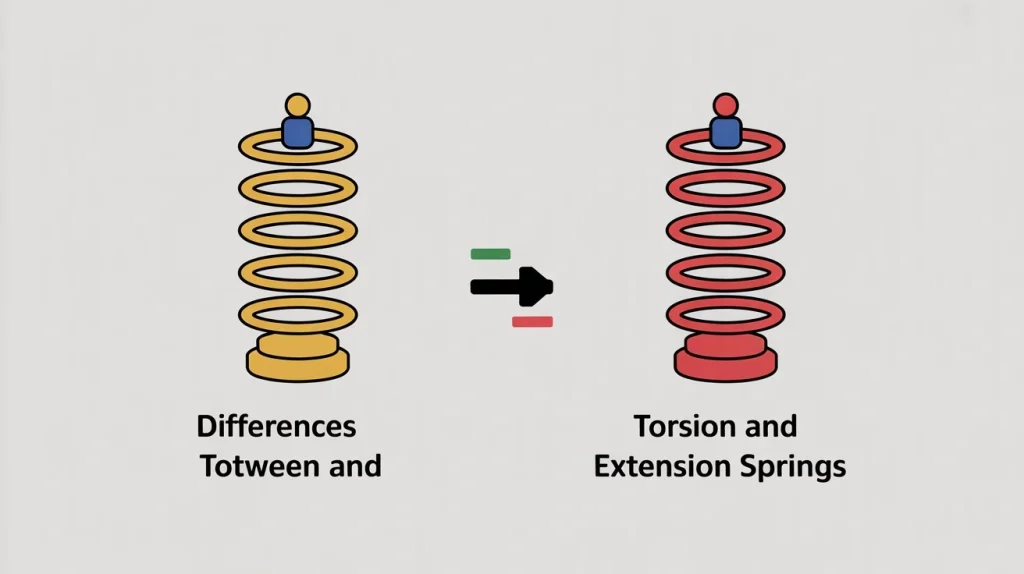
Differences Between Torsion and Extension Springs
Torsion springs are known for their durability and smoother operation, often lasting longer than extension springs. Extension springs, however, are generally more affordable and can be easier to replace in some cases. Understanding these differences helps in making informed decisions when considering garage door spring replacement.
Average Lifespan of Garage Door Springs
On average, a standard garage door spring lasts for about 10,000 cycles, with one cycle being an open-and-close action. For households that use the garage as the primary entrance, this can translate to 5–7 years of use. High-cycle springs are available and can last up to twice as long, offering better long-term value.
Safety Risks of Handling Springs
Garage door spring replacement are under intense tension, and attempting to replace them without proper tools and training can result in serious injury. Mishandling can also cause damage to the garage door system itself. Even in an informational context, it’s important to stress that spring replacement is best left to trained professionals.
Factors Influencing Replacement Cost
The cost to replace a garage door spring can vary depending on the type of spring, the size of the door, and regional labor rates. Torsion springs typically cost more than extension springs due to their design and durability. Prices may also be higher for emergency or same-day service, though these fees reflect the urgency of the work.
How to Extend the Life of Garage Door Springs
Regular maintenance is key to preventing early spring failure. Lubricating the coils with a high-quality garage door lubricant, checking the door’s balance, and scheduling annual inspections can make a significant difference. Avoiding excessive force when opening or closing the door manually also helps prolong spring life.
The Role of Seasonal Changes in Spring Performance
Cold weather can make metal springs brittle, while extreme heat may cause them to expand, and these seasonal temperature shifts can affect both performance and lifespan. Understanding how climate impacts your garage door system makes it easier to plan proactive maintenance and schedule garage door spring replacement at the right time to avoid unexpected breakdowns.
Innovations in Modern Garage Door Springs
Modern garage door springs often feature protective coatings to resist rust and corrosion, as well as safety cables for extension springs to prevent accidents if they break. These advancements contribute to a longer lifespan and improved safety for homeowners.
When to Seek Professional Garage Door Spring Replacement Help
If you notice unusual noises, slow movement, or visible spring damage, contacting a trained technician promptly is the safest choice. Delaying replacement can lead to further damage to the garage door opener, tracks, and panels, resulting in higher repair costs over time.
FAQs
Can I replace a garage door spring by myself?
It’s not recommended, as springs are under high tension and can cause serious injury without proper tools and training.
How much does it cost to replace a spring on a garage door?
On average, garage door spring replacement costs $150–$350, depending on the type, size, and labor rates.
How do I know what spring to buy for my garage door?
Check the door’s weight, height, and spring dimensions, or consult a technician to match the correct size and type.
Can I open a garage door with a broken spring?
It’s possible manually on lightweight doors, but it’s difficult and unsafe — best to wait for professional repair.