Home Color Design plays a vital role in shaping how a space feels, functions, and flows. It’s more than choosing a few nice shades—it’s about creating a cohesive environment that reflects your personality and lifestyle. Whether you’re aiming for modern minimalism or vibrant minimalism, the right color design can completely transform your living experience.
Content
Why Home Color Design Matters in Every Interior
The way a home is colored directly impacts mood, comfort, and perceived space. Soft, neutral tones promote relaxation and balance, while bold or dark hues can add drama and personality. Strategic use of color creates visual flow between rooms and enhances the architectural features of a space. A thoughtful Home Color Design plan allows homeowners to unify their decor while expressing their unique taste.
Current Home Color Design Trends in 2025
This year’s most popular Home Color Design trends combine natural influences with expressive character. Homeowners are gravitating toward tones that provide warmth, texture, and individuality:
Millennial Gray – A modern classic, perfect for minimalist and contemporary styles.
Japandi-Inspired Neutrals – Soft browns, creams, and warm grays that reflect tranquility.
Earthy Greens and Terracotta – Ideal for adding organic richness to both modern and rustic interiors.
Soft Pastels – Blush pinks, powder blues, and muted lavender are re-emerging in boho and Scandinavian homes.
Applying Home Color Design by Room
Living Room
For the living room, Home Color Design should balance function and aesthetics. Neutrals such as beige, greige, or dove gray provide a versatile base and allow accent colors to shine. Adding pops of navy, mustard, or deep green through wall decor, cushions, or rugs brings visual interest. Bohemian and Scandinavian influences thrive in this space, where layered textures and a cohesive palette create a welcoming ambiance.
Bedroom
Bedrooms benefit most from calming and restful Home Color Design choices. Sage green, lavender, warm white, and taupe are popular for their serenity and softness. For a modern twist, many are using monochrome palettes with contrasting textures like velvet headboards or linen drapes. A darker accent wall behind the bed can add depth without overwhelming the room.
Kitchen and Dining Areas
Home Color Design in kitchens is shifting toward clean, functional hues paired with warm accents. Crisp whites or pale grays provide a bright, fresh canvas, while cabinetry in forest green, navy, or matte black creates a bold, elegant look. In the dining area, terracotta, ochre, or olive tones enhance intimacy and comfort, especially when paired with wood finishes and soft lighting.
Choosing the Right Home Color Design for Your Style
A successful color plan should reflect your interior design aesthetic. Different styles lend themselves to unique palettes:
Modern – Charcoal, soft black, white, and bold accent tones.
Bohemian – Warm neutrals, eclectic jewel tones, and natural textures.
Scandinavian – Clean whites, soft blues, and muted wood tones.
Rustic or Farmhouse – Creams, sage greens, and weathered wood finishes.
Maximalist – Layered vibrant colors, saturated tones, and artistic patterns.
Western Gothic – Deep reds, inky blues, and antique metallic accents.
Wall Paint, Decor, and Texture in Home Color Design
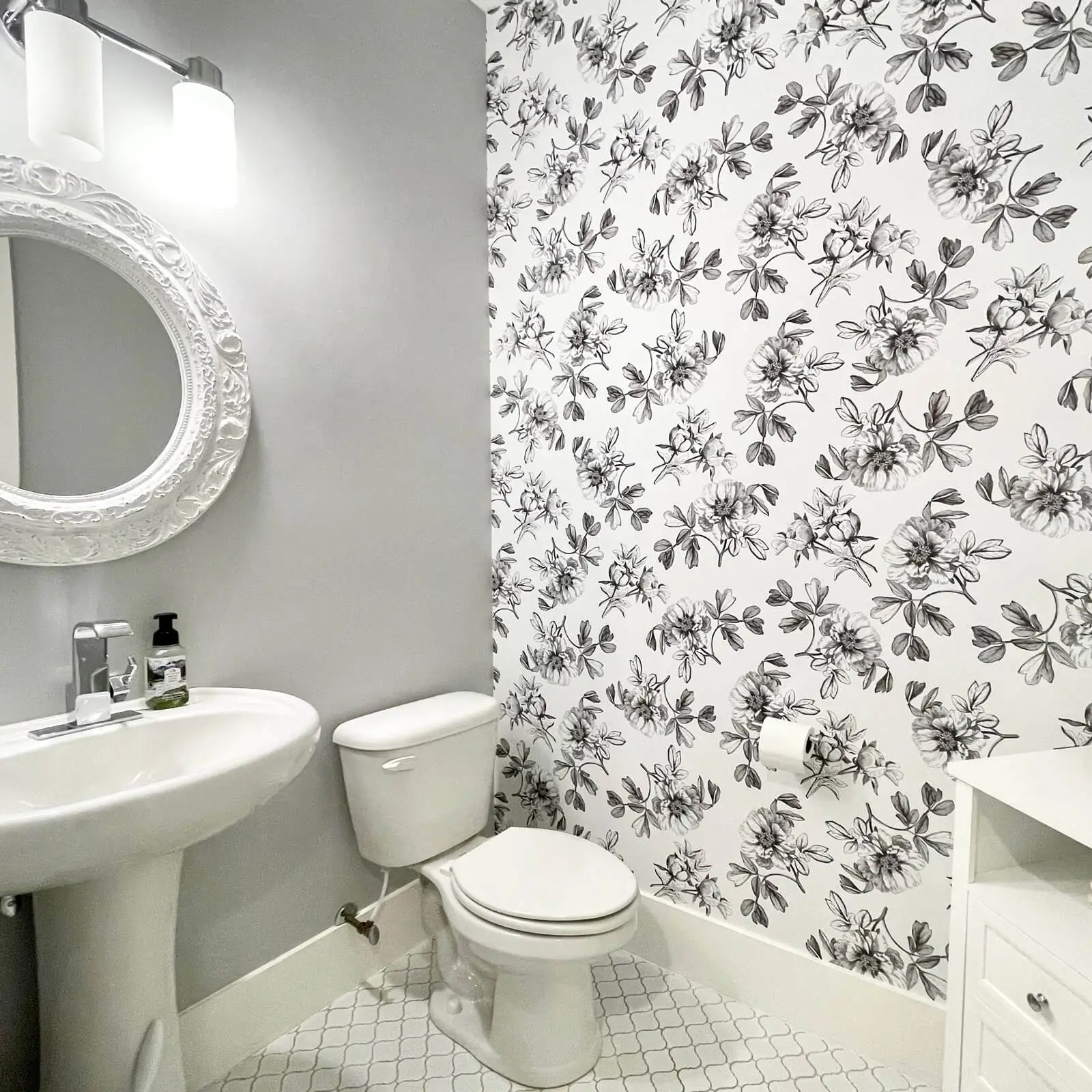
The foundation of Home Color Design often starts with wall paint. Matte finishes are perfect for cozy bedrooms and living rooms, while satin or semi-gloss finishes work well in kitchens and bathrooms. To elevate your space further, consider:
Feature walls in bold hues
Two-tone paint techniques
Wall-mounted artwork or mirrors
Colorful floating shelves or open cabinetry
Home Color Design on a Budget
It’s entirely possible to refresh your home without a full renovation. Start by identifying one or two colors to integrate through low-cost updates:
Replace throw pillows, curtains, or rugs
Paint a small accent wall or hallway
Add colorful planters or vases
Swap out lampshades or furniture covers
Use peel-and-stick wallpaper for temporary changes
Mistakes to Avoid in Home Color Design Planning
Even the most stylish colors can go wrong without proper planning. Key mistakes to avoid:
Choosing paint colors before other decor elements
Disregarding lighting, both natural and artificial
Overloading too many vibrant tones in one space
Ignoring the color temperature of undertones (warm vs. cool)
Using clashing colors between adjacent rooms
Always test colors in different lighting conditions and build your palette gradually to ensure a smooth and balanced finish.
Visual Transformations: Before and After
Real-world examples of Home Color Design success stories demonstrate how much impact thoughtful planning has. From small studio apartments to large family homes, color transformations can turn lifeless interiors into magazine-worthy spaces. Whether it’s a dull hallway brightened with pale yellow or a dated kitchen revitalized with navy cabinetry and brass accents, the results speak volumes.
Conclusion:
A well-executed Home Color Design plan can turn any space into a stylish, personalized sanctuary. By aligning color choices with room function, interior style, and personal preference, homeowners can achieve both visual harmony and emotional comfort. Whether you’re just beginning your decorating journey or looking to refresh an outdated space, choosing the right palette is the foundation of beautiful design.
FAQs
Which color is best for house?
It depends on your style, but neutral tones like white, beige, and grey are timeless and popular.
Can I upload a picture of my house and change the color?
Yes, upload it and I can help visualize different color options.
What are the trending house paint colors?
Warm greys, sage green, navy blue, off-white, and earthy tones are trending in 2025.
How to pick house paint colors?
Consider your home’s style, surroundings, natural light, and use samples to test shades before committing.