Choosing the right kitchen sinks and features can be more challenging than it seems. As someone who’s spent years updating kitchens and experimenting with various sink types, I’ve learned that your choice impacts not only your kitchen’s aesthetics but also its functionality. In this guide, we’ll explore different kitchen sinks and their types, share installation and maintenance tips, and help you decide which sink is best for your home. Whether you’re remodeling your kitchen or just upgrading your sink, this guide is designed to make your decision easier.
Content
Types of Kitchen Sinks and
Understanding the types of kitchen sinks and their features is the first step in finding the perfect one. Each sink type has its own benefits, and knowing them can save you from future regrets and installation headaches.
Drop-in Sinks or Top-Mount Sinks
Drop-in sinks, also called top-mount sinks, are among the most popular options. Kitchen sinks and countertops work well together with this style because they sit on top of your countertop, making installation relatively simple. I installed one in my first kitchen remodel, and it was a lifesaver for DIY beginners.
Pros:
Easy installation
Cost-effective
Works with most countertop materials
Cons:
Edges can trap dirt and grime
Less sleek appearance compared to under-mount sinks
Under-Mount Sinks
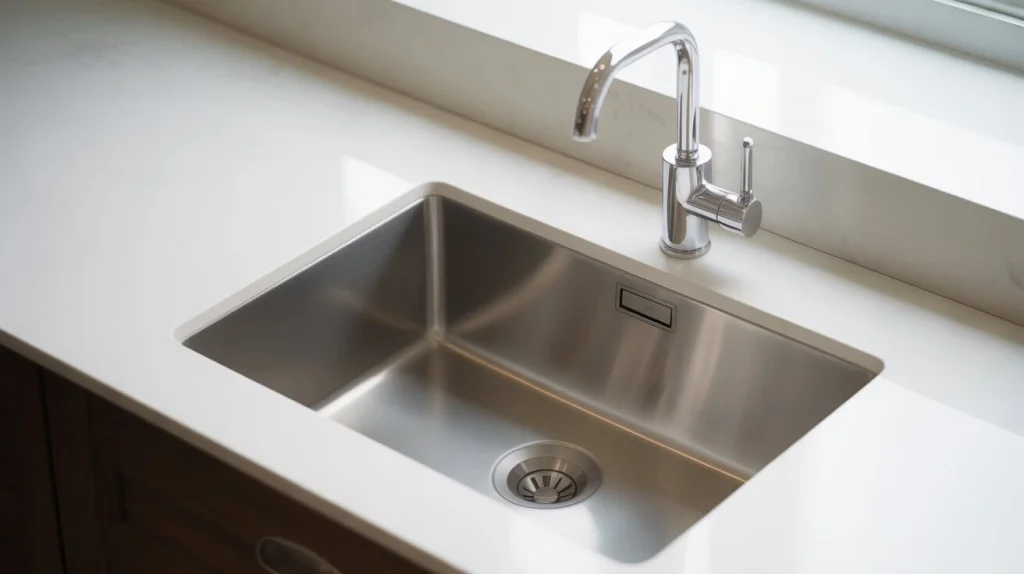
Under-mount sinks are installed beneath the countertop, offering a seamless look. They’re perfect for modern kitchens where clean lines and minimalism are key.
Pros:
Sleek, modern appearance
Easier to wipe crumbs into the sink
Ideal for granite or quartz countertops
Cons:
Requires professional installation
More expensive than drop-in sinks
Farmhouse Sinks
Also known as apron-front sinks, farmhouse kitchen sinks bring rustic charm and practicality. Their deep basins make washing large pots and pans effortless. I recently helped a friend install one, and she loves how much space it provides for her family cooking sessions.
Pros:
Deep, spacious design
Timeless aesthetic
Works well with both modern and traditional kitchens
Cons:
Requires a custom cabinet
Can be heavier and harder to install
Stainless Steel Kitchen Sinks and
Stainless steel sinks are durable, low-maintenance, and resistant to heat and stains. I’ve used stainless steel sinks in multiple kitchens because they handle daily wear and tear like a pro.
Pros:
Durable and long-lasting
Easy to clean
Fits a wide variety of kitchen styles
Cons:
Can scratch over time
Some brands may be noisy without soundproofing
Composite Sinks
Composite kitchen sinks and designs are made from materials like granite or quartz mixed with resin, offering a premium look and feel without the high cost of solid stone.
Cast iron sinks are coated with enamel and are known for their classic look and incredible durability. My uncle has a cast iron sink in his kitchen that’s over 20 years old and still looks brand new!
Pros:
Extremely durable
Wide variety of finishes
Timeless elegance
Cons:
Heavy and requires strong cabinets
Can chip if mishandled
Fireclay Sinks
Fireclay sinks are made by firing ceramic in a kiln, giving them a glossy, porcelain-like finish. They’re a luxury choice that adds a sophisticated touch to any kitchen.
Pros:
Elegant, high-end appearance
Scratch and heat-resistant
Works well in traditional kitchens
Cons:
Very expensive
Can crack if heavy objects are dropped
How to Choose the Perfect Kitchen Sink
When selecting a sink, it’s important to consider your kitchen layout, lifestyle, and style preferences. Ask yourself:
Do I need a single or double basin?
What materials will complement my countertop?
How often do I cook large meals or entertain guests?
For example, in my own home, I carefully selected kitchen sinks and an under-mount stainless steel design because I love cooking large meals and needed a practical, easy-to-clean sink that matches my quartz countertops.
Step-by-Step Kitchen Sink Installation Guide
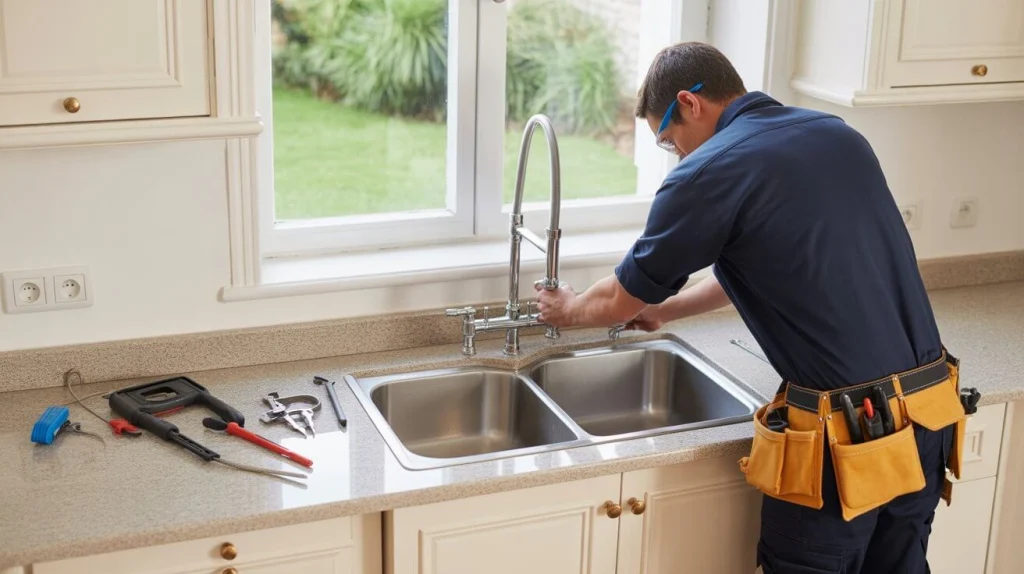
Installing a kitchen sink may seem daunting, but with proper planning, it can be manageable. Here’s a simplified approach:
Measure your countertop and ensure compatibility with the sink type.
Cut the countertop (if necessary) or ensure the cabinet can support the sink.
Place the sink, connect plumbing, and seal edges with silicone.
Test for leaks and adjust as needed.
While DIY installation is possible for drop-in sinks, I recommend hiring a professional for under-mount, cast iron, or fireclay sinks to avoid damage.
Cleaning and Maintaining Your Kitchen Sink
Keeping your sink in top condition is key to longevity. Here are some quick tips:
Wipe down daily with mild soap and water
Avoid harsh chemicals for composite or fireclay sinks
Use a sink grid to prevent scratches in stainless steel sinks
Regularly polish or treat cast iron or stainless steel sinks for extra shine
Real-Life Case Study: The Smith Family Kitchen Remodel
The Smith family recently remodeled their kitchen and were overwhelmed by the choices. They opted for a farmhouse sink after evaluating space, style, and functionality. The deep basin allows them to wash large trays for family gatherings, and the apron front gives their kitchen a charming, rustic feel. Their experience shows that choosing the right sink isn’t just about looks—it’s about practicality and family lifestyle.
Conclusion
Choosing the right kitchen sinks and accessories can truly transform both the look and functionality of your kitchen. From stainless steel kitchen decor sinks to fireclay luxury options, there’s a perfect choice for every home. Consider your lifestyle, cooking habits, and kitchen style when making a selection, and don’t be afraid to invest in quality. With the right kitchen sink features, your kitchen becomes a more efficient, enjoyable, and beautiful space.
FAQs
Who invented the first sink?
The modern kitchen sink was developed in the late 19th century with plumbing innovations.
Why do we have three sinks in the kitchen?
Three sinks are used for washing, rinsing, and food prep to improve hygiene and efficiency.
What is a small sink called?
A small sink is often called a bar sink or prep sink.
What is the strongest material for a kitchen sink?
Cast iron and stainless steel are among the strongest kitchen sink materials.